
Email marketing is one of the oldest digital channels still in active use — and for good reason. Every time a business sends a newsletter, a product update, or a welcome note to a new subscriber, that is email marketing at work. It is direct, personal, and measurable in ways many other channels are not.
This guide explains what email marketing is, why businesses of all sizes rely on it, and how you can use it effectively. Whether you run a small online shop or manage a growing service brand, the examples and tips here give you a clear starting point.
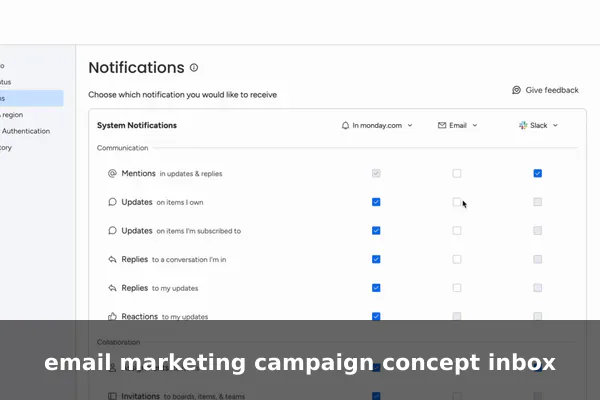
What Email Marketing Means in Practice
Email marketing is the practice of sending targeted messages to a list of people who have agreed to hear from you. These messages can promote products, share useful content, nurture a relationship, or guide a subscriber toward a specific action.
There are two broad types of marketing email worth separating:
- Promotional emails — discounts, product launches, limited-time offers
- Relationship-building emails — newsletters, educational content, onboarding sequences
Most effective email programs use a mix of both. The goal is not to sell on every message, but to build enough trust that subscribers look forward to opening your emails.
Why Email Marketing Still Matters
With social media and paid ads competing for attention, some marketers wonder if email is worth the effort. The data consistently says yes.
Direct Access to Your Audience
Social platforms control who sees your content. With email, you own your list. If a platform changes its algorithm, your email subscribers remain yours.
Strong Return on Investment
Email marketing consistently delivers among the highest ROI of any digital channel. Low sending costs combined with high conversion potential make it especially attractive for small businesses and creators.
Personalization at Scale
Modern email platforms let you segment your list by interest, purchase history, or location. A clothing brand can send winter coat promotions to customers in cold climates while promoting summer styles elsewhere — all automatically.
Measurable Results
Unlike many offline channels, email gives you clear numbers: how many people opened, clicked, and converted. This feedback loop makes improving campaigns straightforward over time.
Common Ways Businesses Use Email Marketing
Email marketing covers a wide range of use cases. Here are the most common ones:
- Welcome sequences — A series of emails sent when someone first subscribes, introducing your brand and setting expectations.
- Newsletters — Regular updates with curated content, company news, or tips that keep your audience engaged between purchases.
- Product launch emails — Announce a new product or service to your subscriber list before or alongside a public release.
- Abandoned cart reminders — Triggered emails sent when a shopper adds items to a cart but does not complete the purchase.
- Re-engagement campaigns — Targeted emails sent to inactive subscribers to win back their attention.
- Event invitations and updates — Notifications for webinars, sales events, or in-person gatherings.
Helpful Email Marketing Examples
Seeing examples makes the concepts easier to apply. Here are four short scenarios that show email marketing in action.
Ecommerce: The Abandoned Cart Email
A shoe store sends a friendly reminder 24 hours after someone leaves the site with sneakers in their cart. The email shows the product image, includes a brief review, and offers free shipping to reduce friction. A single email like this can recover a meaningful percentage of lost sales.
Service Business: The Monthly Newsletter
A marketing agency sends a short monthly email with one practical tip, a recent client result, and a link to their latest blog post. It stays brief and useful, which keeps unsubscribe rates low and brand recall high.
Creator: The Welcome Sequence
A freelance illustrator sends three emails over the first week after someone joins their list: an introduction, a look behind the creative process, and a discount on digital prints. By the third email, new subscribers already feel a personal connection.
B2B Brand: The Case Study Email
A software company emails a one-page case study showing how a client reduced manual work by 40 percent using their tool. Instead of a hard pitch, the email lets the results do the talking and closes with an invitation to book a demo.
The Essential Parts of an Effective Email
Every good marketing email shares the same structural elements:
- Subject line — The first thing subscribers read. Clear, specific subject lines outperform clever ones.
- Preview text — The short snippet visible in the inbox before opening. Treat it as an extension of the subject line.
- Body copy — Keep it focused on one main message. Long emails with multiple competing goals tend to underperform.
- Call to action (CTA) — One clear button or link that tells the reader exactly what to do next.
- Mobile-friendly design — More than half of emails are read on phones. Short paragraphs and large tap targets are essential.
Simple Metrics That Show Whether It Is Working
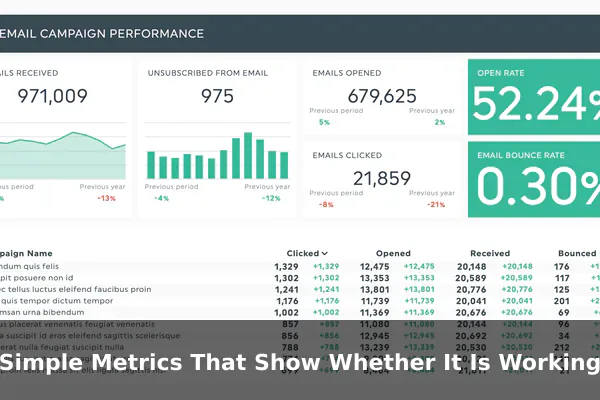
Tracking a few key numbers will tell you a great deal about how your emails perform:
Open Rate
The percentage of recipients who open your email. A low open rate usually signals a weak subject line or an audience that has lost interest.
Click-Through Rate
The percentage who click a link inside the email. A low click rate despite a strong open rate usually means the body copy or CTA needs work.
Conversion Rate
The percentage who take the desired action after clicking — a purchase, a sign-up, a booking. This number directly ties email performance to business results.
Unsubscribe Rate
If this rises, it is often a sign that emails are too frequent, too irrelevant, or too promotional. Treat a spike in unsubscribes as a signal to revisit your content strategy.
Mistakes That Weaken Email Results
Avoiding common errors can dramatically improve your outcomes:
- Sending too often — Bombarding subscribers leads to unsubscribes and spam complaints.
- Buying email lists — Purchased lists hurt deliverability and violate anti-spam laws in many countries.
- Vague subject lines — Check this out tells subscribers nothing. Be specific about what is inside.
- Multiple calls to action — Giving readers too many choices dilutes attention. Pick one goal per email.
- Ignoring mobile readers — Emails that are hard to read on small screens lose a large portion of your audience before they reach the CTA.
How to Get Started With Email Marketing
Starting does not require a large list or a big budget. Here is a simple path forward:
- Choose a platform — Tools like Mailchimp, ConvertKit, or MailerLite offer free tiers suitable for beginners.
- Build a permission-based list — Add a sign-up form to your website, offer a small incentive, and never add contacts without their consent.
- Define your goal — Are you selling, educating, or staying top of mind? One clear goal shapes every email you write.
- Write a short welcome sequence — Even two or three emails that introduce your brand give new subscribers a reason to stay.
- Review and improve — After a few sends, look at your open and click rates. Test a different subject line, adjust your send time, or try a new CTA format.
Email marketing grows in value as your list grows and your understanding of your audience deepens. Starting small and staying consistent is far more effective than waiting until everything feels perfect. The businesses that win with email are not always those with the largest budgets — they are the ones that show up regularly, write with genuine usefulness in mind, and pay attention to what the numbers say.
