

When customers choose Coca-Cola over a generic cola, or pay three times more for Nike sneakers than an identical unbranded pair, brand equity is working behind the scenes. Brand equity is one of the most powerful — and often misunderstood — forces in marketing. It explains why some companies can charge premium prices, launch new products with built-in audiences, and recover from setbacks faster than their competitors.
If you run a business, work in marketing, or simply want to understand why some brands seem to have an almost magnetic pull on customers, this guide is for you. We will define brand equity in plain terms, walk through its real benefits, and show how it plays out in everyday buying situations you already recognize.
What Brand Equity Actually Means
Brand equity is the extra value a brand adds to a product or service beyond its functional qualities. It is the difference between what a customer would pay for a product without any branding versus what they willingly pay when a trusted, familiar brand is attached to it. In short, brand equity lives in the minds and memories of customers — not on a product label.
Brand Equity vs. Branding vs. Brand Value
These three terms are closely related but not the same thing:
- Branding is the active process of creating and communicating a brand identity — your logo, messaging, colors, and voice.
- Brand value is a financial estimate of what a brand is worth, typically used in business acquisitions and annual reports.
- Brand equity is the perception and experience customers hold in their minds about a brand — the emotional and psychological weight that drives real purchasing behavior.
Think of branding as what you put out into the world, brand value as what accountants calculate on a spreadsheet, and brand equity as what customers actually feel and believe when they encounter your brand.
Positive vs. Negative Brand Equity
Brand equity is not always a positive force. A brand with strong positive equity commands loyalty and premium pricing. A brand with negative equity — think of a company that faced a major public scandal or repeatedly disappointed customers — actually loses sales because of its name. In that case, the brand becomes a liability rather than an asset, making every marketing effort harder than it would be for an unknown brand.
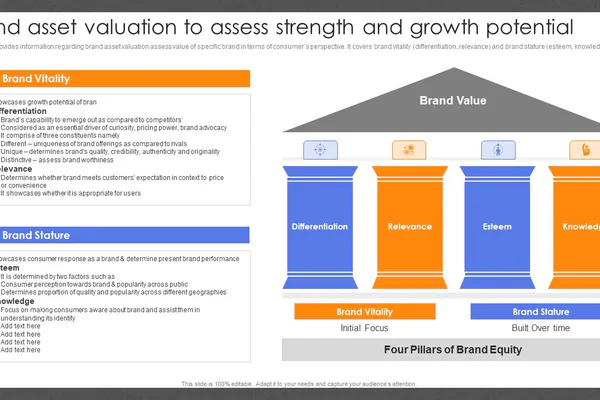
Why Brand Equity Matters in Everyday Marketing
Brand equity does not just live in boardroom strategy sessions — it shapes how people shop every single day. When a customer stands in a store aisle and reaches for a familiar product without much thought, that is brand equity working. When someone types a company name directly into Google instead of searching by product category, that is brand equity. When a buyer recommends a brand to a friend without being asked, that is brand equity in its most powerful form.
Influence on Purchase Decisions
Strong brand equity shortcuts the decision-making process. Customers who trust a brand do not need to research every purchase from scratch. They default to what they already know and trust. This reduces price sensitivity dramatically, because the brand has already answered the question of whether the product is worth it before the customer even arrives at checkout.
The Trust Factor
Trust is the core currency of brand equity. Brands with high equity have earned that trust through repeated positive experiences delivered consistently over time. That trust reduces perceived risk — which is especially important when customers are making a first purchase, considering a higher-priced option, or thinking about switching from a competitor they already know.
The Real Benefits of Strong Brand Equity
Building brand equity takes time and consistent effort, but the business returns are substantial and wide-ranging. Here are the most tangible benefits that strong brand equity delivers to any organization.
Premium Pricing Power
A brand with strong equity can charge significantly more for essentially the same product or service. Apple sells MacBooks at prices far above comparable laptops from lesser-known manufacturers. Consumers pay willingly because the Apple brand signals quality, design excellence, and status. The brand itself adds perceived value that justifies the higher price point in the customer’s mind.
Lower Customer Acquisition Costs
When people already recognize and trust your brand, they are far easier to convert. Marketing messages resonate more quickly. Advertisements do not have to work as hard to establish credibility because the brand has already done that groundwork over time. This translates directly into a lower cost per acquisition and a more efficient overall marketing budget.
Stronger Customer Loyalty and Retention
High brand equity creates customers who come back without needing constant re-persuasion. Loyal customers are less likely to switch to competitors, even when alternatives offer lower prices or similar features. They have made an emotional investment in the brand, and switching feels like giving something up rather than gaining something new.
Easier Product Launches
A trusted brand gives new products a running start that competitors without equity simply cannot replicate. When Apple releases a new product category, millions of customers are prepared to buy before they have read a single independent review. The brand transfers its equity to the new offering, dramatically reducing launch risk and cutting the marketing investment needed to achieve early traction.
Competitive Advantage That Is Difficult to Copy
Rivals can copy your product features, match your pricing, and imitate your design. But they cannot manufacture the years of customer experience, consistent delivery, and emotional connection that build genuine brand equity. This makes strong brand equity one of the most defensible competitive advantages a business can hold over time.
Greater Resilience During Crises
Brands with high equity recover from mistakes faster than those without it. When Johnson and Johnson faced a major product safety crisis with Tylenol in the 1980s, their established reputation for trustworthiness gave customers a reason to believe in their recovery effort. A brand with less accumulated equity in that situation would have faced a far longer road back to consumer confidence.
Simple Examples of Brand Equity in Action

Understanding brand equity becomes much clearer when you see it in familiar, real-world situations that reflect everyday buying behavior most people experience regularly.
The Coffee Example
Imagine two cups of coffee placed in front of you. One is in a plain white cup with no markings. The other is in a Starbucks cup. Most people would instinctively assume the Starbucks cup contains better coffee — even if both cups held the exact same brew. That assumption is brand equity at work. Starbucks has built powerful associations with quality, atmosphere, and social identity that influence perception before a single sip is taken.
The Sneaker Example
Nike and a no-name sneaker manufacturer could produce shoes with nearly identical materials, cushioning, and construction. Nike prices its pair at significantly more, while the generic brand sells at a fraction of the cost. Many consumers still choose Nike without hesitation. The gap in willingness to pay is not purely functional — it is brand equity. The swoosh carries decades of athletic heritage, inspirational messaging, and cultural status that no generic brand can claim.
The Grocery Aisle Example
A shopper reaches for Heinz ketchup without glancing at competing brands on the same shelf, even though the store-brand alternative is half the price and made from very similar ingredients. The shopper does not consciously evaluate the decision. Heinz has built enough equity that the choice becomes automatic. This is brand equity at its most practical level — it removes active decision-making entirely for loyal customers.
The Smartphone Example
Samsung and Apple both manufacture excellent, feature-rich smartphones. But when Apple announces a major new model, customers queue outside stores and place pre-orders before a single independent review is published. This behavior is not explained purely by product quality — it is the direct result of brand equity accumulated through years of consistent experience, aspirational advertising, and a powerful sense of community identity among Apple users.
What Builds Brand Equity Over Time
Brand equity does not appear overnight. It accumulates gradually as the result of consistent actions across many customer touchpoints. Understanding the key drivers helps any brand invest its time and resources in the right places.
Consistent Brand Experience
Every interaction a customer has with your brand — from your website design to your product packaging to the language your customer service team uses — either adds to or subtracts from your brand equity. Consistency builds familiarity, and familiarity builds trust. Brands that deliver the same quality and personality across every channel are the ones customers remember, return to, and recommend.
Product and Service Quality
At the foundation of every strong brand equity story is a product or service that genuinely delivers on its promise. No sustained marketing effort can maintain positive brand equity if the core offering regularly disappoints. Quality creates the initial positive experience that serves as the raw material from which all brand equity is eventually built.
Emotional Connection
Brands that connect on an emotional level tend to build deeper equity faster than those that focus purely on functional benefits. Effective brand storytelling, mission-driven messaging, and community building all play a role here. When customers feel that a brand reflects their values, aspirations, or personal identity, their loyalty deepens well beyond simple product preference.
Memorable Brand Messaging
Consistent, clear messaging that stays with customers long after they have encountered it reinforces brand recall and mental availability. Taglines, visual identity, and a distinctive tone of voice work together to ensure that when a customer thinks of a product category, your brand surfaces first. The strongest brands in the world own a clear, simple idea in the minds of their target audience.
Customer Service Excellence
A single genuinely outstanding customer service experience can transform a one-time buyer into a vocal, long-term brand advocate. Companies like Zappos and Chewy built substantial brand equity specifically through their reputation for exceptional service, turning what could have been routine transactions into memorable stories that customers choose to share with people they know.
What Damages Brand Equity
Just as equity can be built up steadily over time, it can also be eroded — sometimes very quickly and in ways that are difficult to fully repair. Recognizing the most common risks helps businesses protect the value they have worked hard to create.
- Inconsistent messaging: Mixed or contradictory signals about what your brand stands for confuse customers and weaken the mental image they hold of you over time.
- Quality failures: A product or service that disappoints relative to what the brand has promised — especially at a premium price — creates strong negative associations that take real effort to overcome.
- Trust-breaking decisions: Data breaches, misleading advertising claims, or highly publicized ethical failures directly attack the trust that is the foundation of all brand equity.
- Ignoring customer feedback: Brands that do not respond meaningfully to complaints, negative reviews, or shifts in what customers expect are signaling that customer experience is not truly a priority.
- Over-extending the brand: Stretching a brand into unrelated product categories where it has no established credibility can dilute its core identity. A brand that tries to stand for everything risks standing for nothing in the customer’s mind.
How to Measure Brand Equity Without Overcomplicating It
Brand equity does not have to be intimidating to measure. While large organizations employ sophisticated financial brand valuation models, most businesses can track meaningful, actionable signals using simpler and more accessible methods that still give a clear picture of equity health.
Brand Awareness Metrics
How many people in your target market know that your brand exists and can recall it without being prompted? Surveys, unaided brand recall studies, and direct search volume data — specifically how often people search your brand name rather than a generic product category — serve as practical proxies for your current level of awareness-based equity.
Customer Loyalty Indicators
Repeat purchase rate, subscription renewal rate, and net promoter score are all metrics that reflect whether customers trust your brand enough to stay with it over time and actively recommend it to people they know. Consistently high scores across these indicators are among the clearest signs of strong, durable brand equity.
Price Premium Analysis
Can your brand reliably command a higher price than comparable products from unbranded or lesser-known competitors in the same category? The size of that price gap is a direct, quantifiable measure of how much additional value the brand is adding in customers’ minds beyond the functional product itself.
Social Mentions and Sentiment
Tracking how frequently your brand is mentioned across social platforms, review sites, and online communities — and whether the overall sentiment is positive, neutral, or negative — gives a real-time signal of how the broader market perceives you. A rising share of positive, unprompted mentions is one of the clearest signals of growing brand equity in action.
How Small Businesses Can Strengthen Brand Equity
You do not need a large advertising budget or a globally recognized name to build meaningful brand equity. Small businesses and early-stage startups can take practical, focused steps to earn genuine recognition and lasting trust with their target audience, even with limited resources.
Define What Your Brand Stands For
Start with absolute clarity about your brand’s core promise and guiding values. What does your brand consistently deliver? What principles shape every decision you make? The brands that customers remember and recommend most reliably — even at a local or regional level — are almost always the ones with the clearest, most consistent identity.
Deliver Consistently at Every Touchpoint
Small businesses have an inherent advantage that large corporations struggle to replicate: every customer interaction can be personal and memorable. A local bakery that greets regulars by name, maintains product quality every single visit, and handles the occasional mistake with grace and generosity is building real brand equity with each transaction, one customer at a time.
Build a Community Around Your Brand
Social media channels, email newsletters, local events, and niche online communities all allow smaller brands to connect meaningfully with their audience without requiring a massive advertising investment. Brands that genuinely invite customers into a community centered around shared values or interests create identity-based loyalty that is remarkably difficult for competitors to displace.
Earn and Actively Display Social Proof
Reviews, customer testimonials, detailed case studies, and user-generated content function as scalable trust signals that extend your brand’s reach far beyond your direct marketing efforts. When a prospective customer sees consistent evidence that many others have had genuinely positive experiences, the brand’s accumulated equity is effectively transferred through social validation.
Show Up Consistently Over the Long Term
Brand equity compounds with sustained effort over time. Appearing consistently across the right channels with the same voice, the same quality, and the same values — month after month, year after year — is ultimately what separates brands customers remember and trust from those they forget. Patience and consistency are the most powerful brand-building tools available to any business, regardless of size or budget.
Conclusion
Brand equity is the accumulated trust, recognition, and positive associations that a brand builds with its audience over time. It is what allows companies to charge premium prices, grow more efficiently, and withstand competitive pressure better than rivals who lack it. Whether you are managing an established global brand or building a local business from the ground up, the core principles are the same: deliver quality consistently, communicate with clarity, build genuine connections with your customers, and actively protect the trust you earn.
The brands customers return to instinctively, recommend without being prompted, and defend when challenged — those are the brands that have truly mastered brand equity. With the right approach, a clear identity, and the discipline to execute consistently, any brand can build that kind of lasting value.
