

Content marketing is one of the most powerful long-term growth tools available to any brand today. Unlike traditional advertising, which interrupts audiences with direct sales messages, content marketing works by creating genuine value first — educating, informing, and entertaining potential customers until they trust the brand enough to buy.
The question most business owners and marketing teams face is simple: how exactly does content move from a blank page to a measurable business result? This guide breaks down the full picture — what content marketing actually means, how the process works step by step, and why brands across every industry continue to invest in it.
What Content Marketing Really Means
Content marketing is a strategy built on creating and distributing relevant, valuable information to attract and retain a defined audience — with the goal of driving profitable customer action. The difference from traditional advertising is intent. A paid ad tells someone to buy now. A well-written blog post, tutorial video, or email guide answers a question the person was already searching for. That shift from interruption to invitation is what makes content marketing so effective at building long-term relationships.
At its core, content marketing works because it aligns with how people actually make decisions. Buyers research before purchasing. They read reviews, watch tutorials, compare options, and look for trustworthy sources. Brands that show up with accurate, helpful content during that research phase earn credibility before a sales conversation even starts.
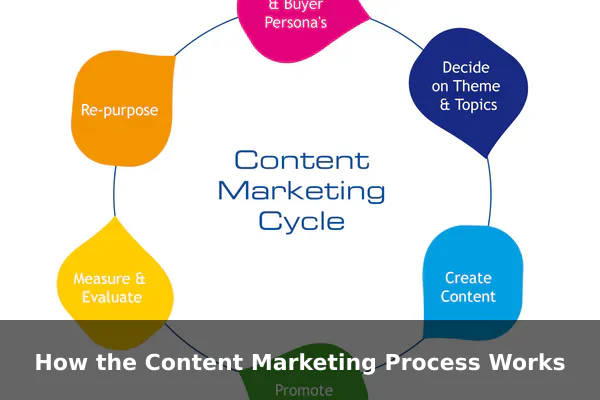
How the Content Marketing Process Works
Effective content marketing is not random publishing. It follows a repeatable process that connects audience needs to business outcomes.
Audience Research and Topic Planning
Every piece of content starts with a clear picture of who it is for. Teams identify their target audience’s goals, pain points, and the questions they ask at each stage of the buying journey. Keyword research tools then help find topics the audience actively searches for, connecting organic content with real search demand and ensuring every article has a built-in audience before it is written.
Content Creation and Distribution
Writers, designers, and video producers then create the actual assets. Quality matters more than volume — one genuinely useful guide consistently outperforms ten thin articles. Once created, content must be actively promoted through SEO, social media, email newsletters, and partnerships. Even great content fails if nobody sees it.
Analysis and Optimization
Teams track performance metrics and use the data to improve. High-performing content gets updated and repurposed. Underperforming content is revised or retired. This continuous feedback loop is what separates content programs that grow from those that stall after the first few months.
Why Brands Invest in Content Marketing
Brands invest in content marketing because the returns compound over time in ways that paid advertising alone cannot match. Here are the main reasons marketing budgets consistently flow toward content:
- Brand awareness: Consistently publishing on relevant topics puts the brand in front of new audiences without paying for every click.
- Trust and authority: Brands that answer their audience’s questions reliably become recognized experts in their field.
- SEO visibility: High-quality content earns organic search rankings that drive free traffic month after month.
- Lead generation: Gated content like whitepapers, checklists, and webinars captures contact information from interested prospects.
- Customer education: Good content reduces friction in the sales process by answering objections before they are raised.
- Long-term ROI: A blog post published today can generate traffic and leads for years. Paid ads stop working the moment the budget runs out.
The Main Content Types Brands Use
Different content formats serve different goals and audience preferences. The right mix depends on where the audience spends time and what stage of the buying journey they are in.

- Blog posts: Best for SEO and top-of-funnel awareness. They answer common questions and pull in organic search traffic at scale.
- Videos: High-engagement format ideal for tutorials, product demos, and brand storytelling. Performs well on YouTube and social platforms.
- Email newsletters: A direct channel to a subscribed audience. Excellent for nurturing leads and maintaining relationships with existing customers.
- Case studies: Highly persuasive for bottom-of-funnel prospects. They demonstrate real results and build credibility especially in B2B buying cycles.
- Downloadable guides and templates: High perceived value assets. Effective for lead capture and for establishing authority in a specific topic area.
How Teams Measure Whether It Is Working
Measuring content marketing effectiveness requires connecting activities to business outcomes — not just surface-level numbers. Vanity metrics like raw page views tell you very little without context.
Key Metrics to Track
- Organic traffic: How many people find content through search engines each month and whether that number is growing.
- Engagement rate: Time on page, scroll depth, and video watch time signal whether content is genuinely resonating with readers.
- Lead volume: How many new contacts or subscribers the content generates within a reporting period.
- Conversion rate: The percentage of content visitors who take a desired action, such as requesting a demo or completing a purchase.
- Customer retention: Content that continues to educate existing customers can reduce churn and meaningfully increase lifetime value.
Mistakes That Make Content Underperform
Even well-resourced teams make common errors that quietly reduce content’s effectiveness over time. Recognizing these early saves a significant amount of budget and effort.
- Publishing without strategy: Creating content with no clear audience profile, goal, or funnel stage in mind wastes both time and budget.
- Ignoring search intent: Content that targets keywords without matching what the searcher actually wants will rank poorly and convert worse.
- Weak distribution: Publishing and hoping is not a strategy. Every piece of content needs active promotion to reach its intended audience.
- Inconsistent quality: A single poorly researched article can undermine the trust built by many strong ones before it.
- Chasing vanity metrics: High page views with zero conversions help no one. Metrics must connect to real business results to drive good decisions.
Building a Simple Content Marketing Plan
A beginner-friendly content marketing framework does not need to be complicated. These five steps provide enough structure to start generating results while leaving room to adapt as you learn.
- Set clear goals: Define what success looks like before you publish anything — more website traffic, more leads, more email subscribers, or higher conversion rates.
- Define your audience: Build at least one detailed audience profile that describes their role, top needs, and the questions they are actively searching for answers to.
- Choose your formats: Pick two or three content types you can produce consistently given your current team size and budget. Starting focused beats spreading thin.
- Build a content calendar: Plan topics at least four to six weeks in advance. A calendar prevents last-minute scrambling and keeps publishing frequency consistent.
- Review and adjust monthly: At the end of each month, check your key metrics. Double down on what is working and revise or retire what is not.
Content marketing is not a sprint. The brands that see the strongest long-term results are the ones that commit to consistent value delivery and let the results compound over time. Starting small with a clear strategy is always better than waiting for a perfect plan — begin now, learn fast, and build from there.
