
Brand marketing is not about running a single campaign or launching a discount offer. It is about building something that lasts — a perception in the minds of your audience that makes your company the obvious choice when they need what you sell. Done well, brand marketing turns casual buyers into loyal customers and transforms a product into a recognized name people trust.
Unlike short-term promotional tactics focused on driving immediate sales, brand marketing operates on a longer timeline. It shapes how people feel about your company, what they associate with your name, and whether they recommend you to others. This article breaks down how brands build lasting awareness, the core elements that make it work, and the practical steps any business can take to strengthen its presence over time.
What Brand Marketing Means in Practice
Brand marketing is the strategic process of communicating who you are, what you stand for, and why you matter to your target audience — consistently, over time. It combines messaging, visual identity, values, and customer experience into a unified impression that people carry long after a single interaction.
The goal is not just recognition. It is preference. When someone needs a product or service in your category, brand marketing is what makes them think of you first — and choose you over a competitor they do not know as well.
Brand Marketing vs. Product Marketing
Product marketing focuses on specific features, pricing, and offers. Brand marketing focuses on the overall company reputation and emotional identity. The two work together, but brands that invest in brand marketing often find that individual products sell more easily because the parent brand already carries trust and credibility.
Why Lasting Brand Awareness Drives Business Value
Strong brand awareness is one of the most durable assets a company can build. It affects nearly every part of the business — from how easily you attract new customers to how much you can charge for your products.
- Recognition and recall: Customers buy from brands they remember. Consistent exposure increases the chance that your name surfaces at the moment a purchase decision happens.
- Trust and credibility: Familiar brands feel safer. Awareness builds credibility without a single word of advertising copy needing to explain your value from scratch.
- Pricing power: Well-known brands can charge a premium because customers perceive them as a lower-risk, higher-quality choice.
- Loyalty and repeat business: Customers who identify with a brand are more likely to return, refer others, and forgive the occasional mistake.
- Lower acquisition costs: When organic word-of-mouth and branded search drive traffic, the cost to acquire each new customer decreases over time.
The Core Building Blocks of a Strong Brand

Effective brand marketing starts with a clear foundation. Without these building blocks in place, any awareness you build will be fragile and difficult to sustain.
Brand Positioning
Positioning defines the unique space your brand occupies in the market. It answers three questions: who are you for, what do you offer, and why are you different? A sharp positioning statement makes every downstream marketing decision easier and more coherent.
Brand Voice and Messaging
Your brand voice is the personality behind every word you publish — on your website, in an ad, or in a customer support reply. A consistent tone, whether professional, playful, or direct, makes your brand recognizable even without a logo in sight.
Visual Identity
Logo, color palette, typography, and imagery style are the visual cues people use to recognize you instantly. Strong visual identity is not about being flashy. It is about being consistent enough that customers can identify your content before they even read your name.
Values and Purpose
Modern audiences gravitate toward brands that stand for something beyond profit. Clearly defined values attract customers who share those beliefs and create emotional connections that outlast any single promotion or seasonal campaign.
How Companies Build Awareness Across Channels
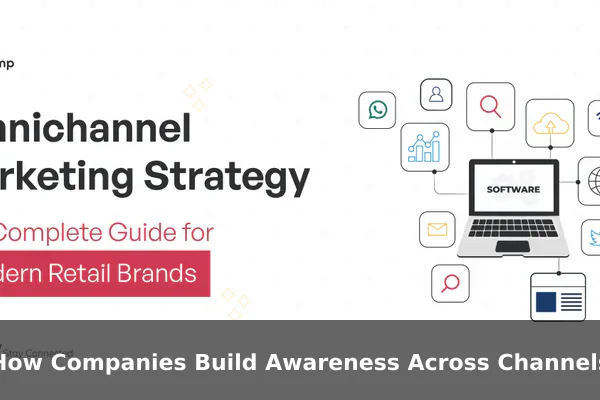
No single channel builds brand awareness on its own. The most recognized brands layer their presence across multiple touchpoints so that customers encounter them in different contexts, reinforcing the same message each time.
Content and Storytelling
Publishing helpful articles, videos, and guides positions a brand as an authority in its space. It also keeps the brand visible to audiences who are researching a topic but are not yet ready to buy — building familiarity well before the purchase moment.
Social Media Presence
A consistent social media presence lets brands communicate personality, interact with customers, and stay top-of-mind between purchases. The goal here is not just follower counts. It is familiarity and a sense of ongoing relationship with the audience.
Paid Advertising for Visibility
Display ads, sponsored social content, and search advertising extend a brand’s reach to new audiences at scale. At the brand awareness stage, the objective is impressions and recall — not immediate clicks or conversions.
Partnerships, PR, and Community
Collaborations with complementary brands, media coverage, and community involvement generate exposure to audiences outside your existing reach. PR especially builds credibility because the endorsement comes from a third party rather than the brand itself.
Customer Experience as a Brand Channel
Every interaction a customer has with your business — from browsing your website to contacting support — shapes their brand perception. Companies that deliver a consistently positive experience benefit from the most powerful awareness tool available: genuine word of mouth.
Consistency as the Real Competitive Advantage
The companies with the strongest brand awareness did not build it overnight. They built it by showing up the same way, again and again, across every channel and every customer interaction over months and years.
Consistency does three concrete things for a brand:
- It signals reliability. A brand that looks and sounds the same everywhere feels more professional and trustworthy than one that changes its tone or visuals with every campaign.
- It builds memory. Repeated, consistent exposure is how long-term recall forms. Inconsistent brands are forgettable because each encounter feels like meeting a stranger.
- It compounds over time. Each new exposure adds to an existing impression rather than starting from zero, meaning the return on your brand investment grows as it ages.
Common inconsistencies to watch for include different logo versions across platforms, conflicting tones in advertising versus customer service, and visual styles that shift dramatically with each new campaign or season.
How to Measure Brand Marketing Results
Brand marketing outcomes are harder to track than a single paid campaign, but they are measurable with the right signals. Key indicators include:
- Branded search volume: How many people search for your brand name directly. Growing branded search is one of the clearest signs of rising awareness.
- Direct traffic: Visitors who type your URL directly are already aware of you. Tracking this over time reveals awareness trends without relying on paid sources.
- Share of voice: Your brand’s presence in conversations relative to competitors, measured through social listening and media monitoring tools.
- Brand recall surveys: Ask a sample of your target audience whether they recognize or remember your brand without prompting — an unaided recall question is especially revealing.
- Net Promoter Score (NPS): How likely customers are to recommend your brand is a reliable proxy for both loyalty and organic awareness generation.
- Customer retention rate: Repeat customers are one of the clearest outcomes of brand marketing done well over time.
Common Brand Marketing Mistakes to Avoid
Even experienced companies make errors that erode the awareness they have worked to build. Knowing these pitfalls in advance helps you protect your investment.
- Inconsistent messaging: Changing your brand tone, visual identity, or core positioning too often confuses audiences and forces recognition to restart each time.
- Copying competitors: Mimicking a rival’s brand style makes you forgettable and reinforces their position in the market, not yours.
- Chasing every trend: Participating in every short-lived trend can feel off-brand and undermine the authentic personality you have spent time establishing.
- Neglecting audience perception: Brand marketing is ultimately what your audience believes about you, not what you say about yourself. Regularly survey customers to understand how your brand is actually perceived.
- Underinvesting during slow periods: Cutting brand marketing to save budget short-term erodes the awareness you have spent years building, and rebuilding it costs far more than maintaining it.
Simple Steps to Strengthen Your Brand Over Time
You do not need a large budget to begin improving your brand marketing. These practical steps apply to businesses of any size:
- Audit your current brand presence. Review your website, social profiles, ads, and customer communications side by side. Are they consistent in tone, visuals, and core message?
- Write a clear positioning statement. One or two sentences that define who you serve, what you offer, and what makes you different from alternatives.
- Create a simple brand style guide. Document your colors, fonts, logo usage rules, and voice guidelines so anyone creating content for your brand can follow the same standards.
- Choose two or three core channels. It is better to show up consistently on a few platforms than sporadically on many.
- Set a publishing cadence and keep it. Regular, consistent output — even at modest volume — builds more awareness than irregular bursts of activity.
- Track your branded search monthly. Use Google Search Console or a keyword tool to monitor whether people are searching for your name directly, and watch the trend over time.
- Ask customers how they found you. Qualitative feedback reveals perception gaps and channel performance that quantitative analytics alone cannot surface.
Building a Brand That Lasts
Brand marketing is the long game of business — one that rewards patience, clarity, and consistency. While promotional marketing generates quick sales, brand marketing builds the foundation that makes those sales easier and more frequent year after year. Companies that invest in who they are, not just what they sell, build the kind of recognition that competitors cannot easily copy.
Start by clarifying your positioning and showing up consistently across the channels your audience uses most. Document the standards that define your brand’s look and voice so every piece of communication reinforces the same impression. Over time, those repeated, aligned touchpoints compound into the most valuable asset a business can own: a brand that people recognize, trust, and choose without needing to be convinced.
