
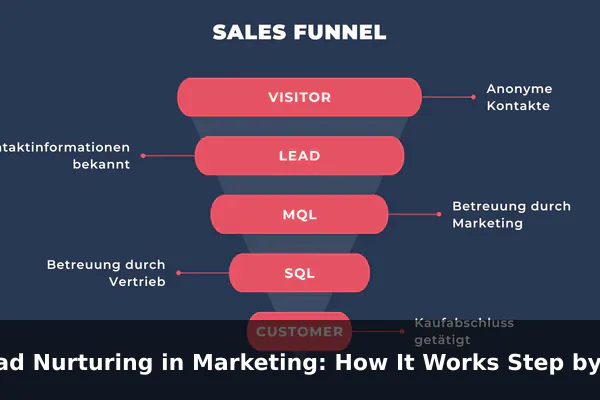
Lead nurturing is one of the most critical — and most overlooked — parts of the marketing process. Many businesses invest heavily in generating leads, only to let most of them go cold because there is no structured follow-up plan in place. Research consistently shows that the majority of leads are not ready to buy when they first make contact.
The real opportunity lies in what happens after someone shows initial interest. Lead nurturing is the process of building meaningful relationships with potential customers at every stage of their journey, guiding them from curiosity to confidence to purchase. Done well, it turns a slow trickle of inquiries into a steady stream of sales-ready buyers. This guide walks through exactly how it works — from the moment a lead enters your funnel to the point where they are ready for a sales conversation.
What Lead Nurturing Means in Marketing
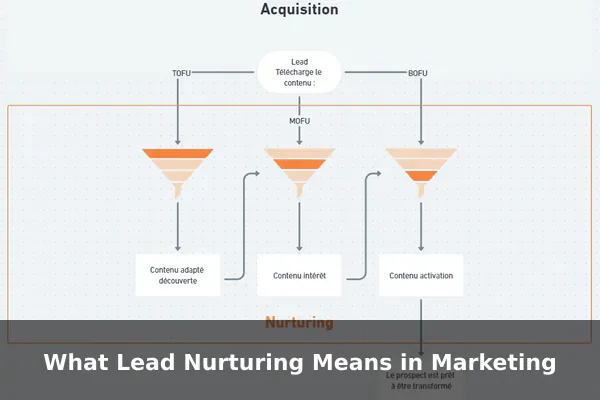
Lead nurturing is the practice of developing relationships with potential buyers through targeted, relevant communication delivered at the right time. Unlike a one-off advertisement or a single follow-up email, nurturing is an ongoing process that responds to where a lead is in the buyer journey.
The goal is not to sell immediately. It is to educate, build trust, and stay top of mind so that when a lead is ready to make a decision, your brand is the obvious choice. Nurturing fills the gap between initial interest and purchase intent, which can span days, weeks, or even months depending on the product and the buyer.
How It Differs From Lead Generation
Lead generation focuses on attracting and capturing new contacts. Lead nurturing focuses on developing those contacts over time. Both are essential, but they serve different purposes. Generation fills the top of the funnel; nurturing moves leads through it toward a buying decision.
Why Businesses Need a Nurturing Process
Without a deliberate nurturing strategy, most leads will disengage before ever becoming customers. A structured process delivers several important benefits:
- Higher conversion rates: Nurtured leads are more likely to convert because they receive timely, relevant information that matches where they are in the journey.
- Shorter sales cycles: Educated prospects ask better questions and reach decisions faster.
- Stronger brand trust: Consistent, helpful communication builds credibility that one-time outreach simply cannot.
- Better marketing and sales alignment: A clear nurturing flow ensures the sales team only receives leads that are genuinely ready to talk.
The Step-by-Step Lead Nurturing Process
Step 1: Capture and Organize Leads
Every nurturing workflow starts with clean, organized lead data. Use forms, landing pages, and a CRM system to capture key details such as name, email address, company size, and the source that brought the lead in. Tag leads by source and initial interest from the beginning so that your follow-up feels relevant immediately rather than generic.
Step 2: Segment Leads by Interest and Readiness
Not all leads are at the same stage. A visitor who downloaded a beginner’s guide is in a very different place than someone who just requested a product demo. Effective segmentation groups leads by:
- Funnel stage — awareness, consideration, or decision
- Industry or company size
- Specific pain point or area of interest
- Engagement behavior such as clicks, downloads, and page visits
Segmentation allows you to send messages that feel personal rather than mass-marketed, which dramatically improves open rates, click-throughs, and trust.
Step 3: Create Helpful Content for Each Stage
Content is the engine of lead nurturing. The type that works best depends on where the lead is in their journey:
- Awareness stage: Blog posts, explainer videos, and industry reports that help leads understand their problem
- Consideration stage: Case studies, comparison guides, and webinars that show possible solutions
- Decision stage: Free trials, product demos, testimonials, and pricing information that help leads choose with confidence
Each piece of content should answer a specific question or address a specific concern that a lead at that stage would naturally have.
Step 4: Build an Automated Follow-Up Sequence
Marketing automation tools allow you to set up email sequences that trigger based on specific actions — such as signing up for a newsletter, downloading a resource, or visiting a pricing page. A basic nurturing sequence might look like this:
- Day 1: Welcome email with a helpful resource linked inside
- Day 3: Follow-up with a relevant case study or success story
- Day 7: Educational email that addresses a common objection
- Day 14: Soft invitation to book a call or explore a product tour
Personalize each message using the lead’s name or the specific action they took. Avoid automating so heavily that the communication loses its human feel — leads can tell the difference.
Step 5: Score Engagement and Identify Sales-Ready Leads
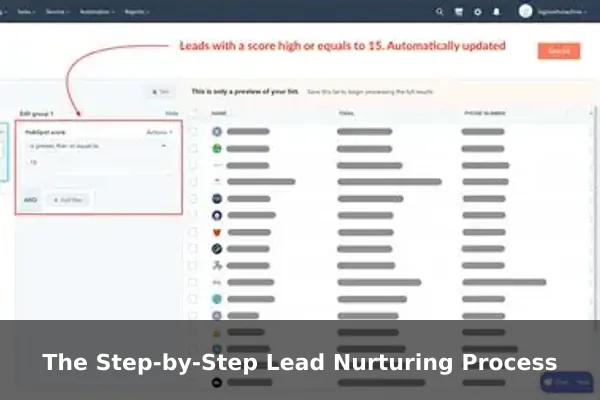
Lead scoring assigns numeric values to specific behaviors — opening emails, clicking links, revisiting the pricing page, or watching a product video. When a lead reaches a defined threshold score, it signals purchase intent and triggers a handoff to the sales team.
Marketing and sales must agree on what a sales-ready lead looks like before this step can function properly. Define the criteria together: minimum engagement level, firmographic fit, and any specific actions that indicate genuine buying intent. Without that agreement, warm leads either get passed too early or sit ignored for too long.
Step 6: Measure Results and Improve the Workflow
No nurturing workflow should stay static. Track these core metrics on a regular basis:
- Email open rates and click-through rates
- Sequence completion rates
- Lead-to-opportunity conversion rate
- Average time from first contact to sales handoff
- Revenue directly influenced by nurtured leads
Use this data to test different subject lines, send times, content formats, and calls to action. Small, consistent improvements compound into significantly better overall results over time.
Common Lead Nurturing Mistakes to Avoid
Even well-intentioned campaigns can fall flat. The most common errors include:
- Sending the same message to every lead: Generic emails ignore stage, need, and context — and leads notice.
- Following up too rarely or too aggressively: Both extremes damage trust. Find a rhythm that feels helpful, not pushy.
- Over-automating without personalization: Automation should support the relationship, not replace the human tone behind it.
- Ignoring inactive leads: A well-timed re-engagement campaign can revive leads who went quiet but never opted out.
- No defined sales handoff process: Without a clear transition point, leads fall through the gap between marketing and sales.
A Simple Example of a Lead Nurturing Flow
Imagine someone downloads a free guide on marketing strategy from your website. Here is what a basic nurturing flow could look like in practice:
- Day 1: An automated email thanks them and links to one additional helpful resource.
- Day 4: A follow-up email shares a case study relevant to their industry.
- Day 10: An educational email addresses a common challenge, with a subtle reference to your product as one possible solution.
- Day 18: The lead receives an invitation to a live webinar or a free consultation offer.
- Day 25: If they clicked the consultation link but did not book, the sales team gets an alert and reaches out directly.
This simple sequence combines automation, segmentation, and personal outreach to move one lead smoothly from initial awareness all the way to a decision-stage conversation.
Conclusion
Lead nurturing is not about pushing harder — it is about showing up consistently with the right message at the right time. When your marketing and sales teams align around a clear, step-by-step process, you stop losing warm leads to silence and start turning genuine interest into real revenue.
Start simple. Define your segments, build a basic email sequence, set up a scoring system, and measure what happens. Then refine based on data. The businesses that win the most customers are rarely those with the most leads — they are the ones that know how to develop the leads they already have.
