
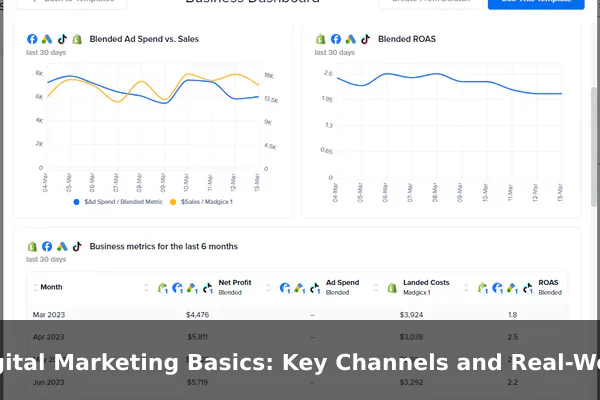
Digital marketing is the practice of promoting products, services, or brands through internet-connected channels — from search engines and social feeds to email inboxes and online ads. Unlike traditional advertising, every campaign is measurable in real time, which lets businesses of any size compete for attention and customers without needing a massive budget or a prime-time television slot.
For most businesses today, digital marketing is not a single tactic but a coordinated system. A customer might discover a brand through a Google search, click a retargeted ad days later, sign up for an email newsletter after reading a helpful blog post, and finally make a purchase after receiving a time-sensitive offer. Each of those touchpoints belongs to a different channel, and understanding how they work individually — and together — is what separates guesswork from a real strategy.
This guide covers the core digital marketing channels in plain language: what each one does best, how real businesses use it today, and why no single channel is enough on its own. Whether you are drafting your first marketing plan or trying to make sense of terms you keep hearing in meetings, the examples here will make the concepts concrete and immediately actionable.
What Digital Marketing Actually Includes
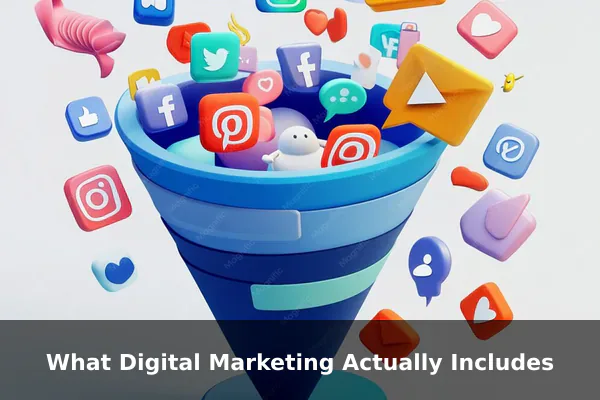
Before diving into individual channels, it helps to understand how digital marketing is structured as a whole. The field covers every method of reaching and influencing customers through the internet — which is a remarkably wide scope. Marketers use a simple three-part framework to organize the landscape and avoid treating unrelated tactics as interchangeable.
Owned, Earned, and Paid Media
Most digital marketing activity falls into one of three categories:
- Owned media — channels you build and control directly, such as your website, blog, email list, and social media profiles. You create the content and set the rules, making this your most sustainable long-term asset.
- Earned media — visibility you receive without paying for it, including press mentions, customer reviews, social shares, and backlinks from other websites. It is earned through quality work and genuine value, not purchased.
- Paid media — advertising spend that buys immediate visibility on search engines, social platforms, display networks, or sponsored content placements. You pay per click, per thousand impressions, or per conversion depending on the platform.
A well-rounded digital marketing strategy uses all three in combination. Owned media builds your foundation, paid media accelerates growth when you need speed, and earned media validates your brand to audiences who distrust advertising. Leaning too heavily on any one category creates fragility.
The Customer Journey and How Channels Fit In
Customers rarely go straight from discovering a brand to buying from it. They move through a series of mental stages — often described as awareness, consideration, and decision — and different channels support different stages most effectively. SEO and social media are strong at awareness. Content marketing and email nurture consideration. PPC and targeted promotions push decisions. Understanding where each channel fits in this journey is essential to using your budget and effort wisely.
Search Engine Optimization (SEO): Earning Visibility Over Time
Search engine optimization is the practice of improving your website so it ranks higher in unpaid, organic search results when people search for terms related to your business. SEO is a long-term investment — results build over months — but the traffic it generates does not stop the moment you pause spending, which makes it one of the most cost-efficient channels over a multi-year horizon.
How SEO Works
Search engines like Google evaluate hundreds of signals to decide which pages deserve top rankings. The most important factors fall into three areas:
- On-page SEO — using the right keywords in your titles, headings, and body copy; writing content that genuinely answers search queries; and structuring pages so they are easy to navigate and understand.
- Technical SEO — making sure your site loads fast, works on mobile devices, uses secure HTTPS, and is structured so search engine crawlers can index it without errors.
- Off-page SEO — earning backlinks from reputable websites, which signals to Google that other sources trust and endorse your content.
One concept that separates effective SEO from wasted effort is search intent. Every query has an intent behind it. Someone searching best running shoes for flat feet wants to compare options, while someone searching buy Brooks Adrenaline GTS size 10 is ready to purchase. Matching your content to the right intent stage matters more than simply including keywords.
A Real-World SEO Example
Consider a local HVAC company in Phoenix, Arizona. Instead of relying solely on a homepage that says “We Fix Air Conditioning,” they build separate service pages targeting phrases like “AC repair Phoenix,” “air conditioning installation Scottsdale,” and “furnace maintenance Tempe.” Each page answers specific local questions, includes the service area naturally in the copy, and earns reviews on Google Business Profile. Within six months, the company ranks on the first page for several high-intent local searches — generating calls from new customers who never saw an ad, at zero cost per click.
Pay-Per-Click Advertising (PPC): Reaching Buyers Fast
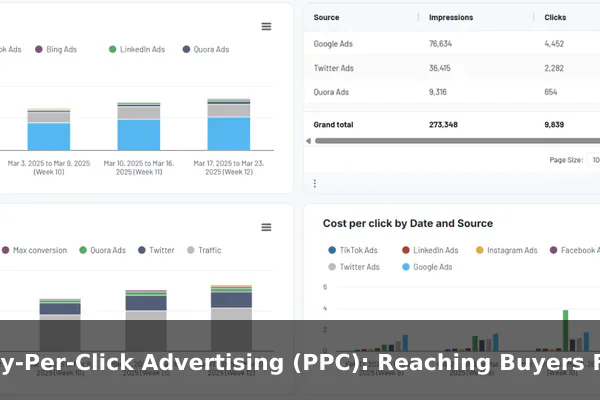
Pay-per-click advertising lets businesses pay to place ads at the top of search results or across a network of websites and apps. Unlike SEO, PPC delivers immediate visibility. You define a budget, choose your targeting, write your ads, and qualified traffic can start arriving within hours of launching a campaign — making it invaluable when speed matters.
Paid Search vs. Display Advertising
PPC divides into two primary formats, each suited to different goals:
- Paid search ads — text ads that appear above organic results on Google or Bing when someone types a matching keyword. These reach people who are actively searching for a solution, making them ideal for capturing high-intent buyers who already know they have a problem.
- Display ads — image or banner ads shown across millions of partner websites, apps, and YouTube videos. These are better for building brand awareness among broader audiences and for retargeting people who have already visited your site but did not convert.
The model works on a bidding system. You set the maximum amount you are willing to pay each time someone clicks your ad. Your actual cost per click depends on your bid, your ad quality score, and competitor activity. Smart PPC campaigns combine precise keyword targeting with compelling ad copy and dedicated landing pages designed specifically to convert visitors into leads or customers.
A Seasonal PPC Example
An air conditioning installation company knows that search volume for “new AC unit installation” spikes every April as temperatures start rising. Rather than waiting for organic SEO rankings that would not arrive in time, they launch a Google Ads campaign targeting high-intent keywords like “AC installation cost” and “central air conditioning near me.” They run the campaign from April through September, pause it during the off-season to conserve budget, and use conversion tracking to see exactly how many calls and form submissions each ad generates. The result is a measurable, time-controlled flow of qualified leads that aligns perfectly with their seasonal capacity.
Content Marketing: Building Trust Before the Sale
Content marketing is the strategy of creating and distributing helpful, relevant content — blog posts, guides, videos, podcasts, infographics, templates — with the goal of attracting and educating an audience before asking them to buy anything. The core idea is disarmingly simple: if you help people solve real problems at no cost, they are far more likely to trust you when they are ready to spend money.
Content Formats That Drive Results
Effective content comes in many forms, each suited to different audiences and stages of the buying journey:
- Blog posts and long-form guides — educate readers and capture organic search traffic, especially when written around specific keyword-driven questions your audience is already asking.
- Videos and tutorials — build personal connection and perform well on social platforms; shorter videos work on social feeds, longer ones on YouTube.
- Lead magnets — downloadable resources like checklists, templates, or ebooks offered in exchange for an email address, growing your direct marketing list with genuinely interested prospects.
- Case studies and success stories — proof-based content that shows prospective customers what real results look like, reducing risk perception at the decision stage.
- Webinars and live Q&A sessions — interactive formats that build authority and work especially well for B2B audiences making considered, higher-value purchases.
A Real-World Content Marketing Example
A small accounting software company targeting freelancers creates a free downloadable guide titled The Complete Tax Checklist for Self-Employed Creatives. They promote it through a blog post optimized for relevant SEO keywords and a short paid social campaign. Visitors who download the guide are added to an automated email sequence that delivers practical tax tips over several weeks — gently introducing the software’s features along the way. By the time tax season arrives, a meaningful percentage of those subscribers convert to paying customers, having already received genuine value from the brand before any sales pitch was made.
Social Media Marketing: Matching Content to Platform Behavior
Social media marketing uses platforms like Instagram, Facebook, LinkedIn, TikTok, Pinterest, and X to build brand awareness, engage audiences, and drive traffic back to your owned channels. The critical insight most beginners miss is that each platform has entirely distinct content norms and user behaviors — what resonates on one platform often fails completely on another, even with the same audience demographic.
Understanding Platform Behavior
Here is how content performs differently across three widely used platforms:
- Instagram — visually driven; polished photography, Reels, and carousel posts perform best. Users browse for inspiration and lifestyle content. Ideal for consumer brands in fashion, food, travel, beauty, and home decor.
- LinkedIn — professional and insight-driven; text posts, data-backed commentary, personal leadership stories, and industry opinions perform well. Ideal for B2B brands, consultants, agencies, and thought leaders targeting business decision-makers.
- TikTok — entertainment-first; fast-paced short video, humor, trending formats, and raw authenticity consistently outperform polished production. Ideal for reaching younger audiences and building rapid brand awareness without a large ad budget.
One Message, Three Platforms in Practice
Imagine a fitness equipment brand launching a new home treadmill. On Instagram, they post a cinematic 30-second Reel showing someone running at sunrise to energizing music, ending with a clean product shot. On LinkedIn, they share a post with data on how remote work has increased home fitness spending, positioning the company as market-aware and forward-thinking. On TikTok, the founder records a casual video in the warehouse, showing the unboxing process and honestly discussing what makes this treadmill different from big-box alternatives. Same product, three completely different executions — each matching the culture and expectations of its specific platform audience.
Organic vs. Paid Social
Social media marketing includes both organic posting (unpaid content shared to your existing followers) and paid social ads (boosted posts or targeted campaigns shown to audiences who do not yet follow you). Organic social builds community and brand personality over time; paid social extends reach beyond your follower base with precise demographic, interest, and behavioral targeting. Most successful social strategies use both in combination, with organic content providing authenticity and paid amplification providing scale.
Email Marketing: Turning Interest Into Repeat Action
Email marketing is consistently one of the highest-return-on-investment channels in digital marketing. Unlike social media, where platform algorithms decide who sees your content, your email list is a direct communication channel to people who have explicitly asked to hear from you. When managed well, it converts first-time visitors into buyers and transforms buyers into loyal, high-lifetime-value repeat customers.
Types of Email Campaigns
Email marketing encompasses several distinct campaign types, each with a different purpose:
- Welcome sequences — automated emails triggered the moment someone subscribes, designed to introduce the brand and guide new contacts toward their first meaningful action.
- Newsletters — regular broadcasts sharing useful content, company updates, or curated resources that keep subscribers engaged and maintain top-of-mind awareness between purchase cycles.
- Promotional campaigns — time-limited offers, product launches, or sale announcements sent to the full list or targeted segments based on past behavior.
- Abandoned cart emails — automated reminders sent to shoppers who added items to an online cart but did not complete checkout, recovering a significant percentage of otherwise lost revenue.
- Re-engagement campaigns — sequences targeting inactive subscribers with a compelling reason to reconnect, or a clear option to unsubscribe, keeping your list healthy and your deliverability strong.
A Welcome Email Series Example
A small online skincare brand offers a 10% discount code in exchange for email sign-ups. Once a visitor subscribes, they enter a five-email welcome sequence spread over ten days:
- Day 1: Deliver the discount code immediately along with the brand’s origin story and values.
- Day 3: Share a “build your routine” guide — educational content that helps the subscriber identify which products suit their specific skin type.
- Day 5: Feature customer reviews and before-and-after results for the brand’s best-selling product.
- Day 7: Highlight the most popular starter bundle with a gentle reminder that the discount code expires soon.
- Day 10: Send a friendly “last chance” message offering to answer questions personally before the offer ends.
This sequence consistently converts a higher percentage of new subscribers than a single welcome email because it meets people at their actual stage of decision-making rather than rushing the sale.
How the Best Results Come From Channel Mix, Not One Tactic
Each channel discussed in this guide produces results on its own — but businesses that grow fastest use them together. A multi-channel approach creates multiple touchpoints with the same prospect, reinforces brand messaging across different environments, and protects against algorithm changes or platform disruptions that could eliminate a single-channel strategy overnight.
A Small-Business Multi-Channel Funnel in Action
Here is how a realistic small business might connect all five channels into one cohesive workflow:
- A potential customer searches Google and finds a helpful blog post optimized for organic search (SEO + Content Marketing).
- They read the post, download a free guide, and join the email list (Content Marketing + Email Marketing).
- Over the following two weeks, they receive a welcome sequence that educates and builds trust (Email Marketing).
- Simultaneously, they see retargeting ads from the same brand on Instagram (Paid Social).
- They follow the brand’s social account and engage with organic posts (Organic Social Media).
- When they are ready to buy, they search directly for the brand name and click through (Brand SEO + direct).
- After purchase, a post-sale email sequence encourages a repeat visit and a product review (Email Retention).
No single channel closes that sale. The blog post opened the door. The email sequence built confidence. The social ads maintained visibility. The purchase experience and post-sale emails created loyalty and word-of-mouth. This compounding effect is the real power of an integrated channel mix — each channel amplifies the others in ways that isolated tactics never can.
Why Integration Beats Isolation
When channels work together, feedback loops form between them. Blog content provides material for social posts and email newsletters. Email engagement data reveals which content topics resonate most, informing future blog and video production. Social shares drive traffic back to your blog, earning backlinks that improve SEO rankings. PPC keyword data shows which messages convert best, sharpening organic content strategy. The result is a self-reinforcing system that improves over time — and that kind of compounding return is simply not available when channels operate in silos.
Common Beginner Mistakes and Smarter First Steps
Digital marketing offers more options than any single business can pursue simultaneously, which leads to predictable and costly mistakes. Recognizing them early saves significant time, budget, and frustration — and accelerates the path to results that actually matter.
Mistakes That Slow Down Growth
- Chasing every platform at once. Opening accounts on every social network, launching ads, starting a blog, and building an email list simultaneously almost always means doing all of them poorly. Shallow presence across six channels produces worse results than a strong, consistent presence on two.
- Skipping measurement and analytics. Running campaigns without tracking outcomes is guesswork dressed as strategy. Free tools like Google Analytics and the native analytics in every major social and email platform tell you exactly what is working. Use them from the very first day.
- Copying competitors without context. Seeing a competitor run video ads does not mean video ads are the right move for your stage, budget, or audience. What works for a well-funded brand with an established following may be completely wrong for a business still building its first 1,000 customers.
- Optimizing campaigns too early. Making changes after just a few days of data produces reactive decisions based on noise rather than signal. Give campaigns enough time to collect statistically meaningful data before drawing conclusions or making changes.
- Mismatching messages to intent. Promoting a product to an audience that has never heard of your brand — or has heard of it but is not yet ready to buy — wastes both ad spend and goodwill. Map your messaging to where your audience actually sits in their buying journey.
Smart Starting Points for Beginners
If you are new to digital marketing and not sure where to begin, these steps will help you build a solid foundation without spreading resources too thin:
- Define your audience first. Know who you are trying to reach, what specific problems they have, and where they spend time online. Every channel decision flows from this clarity.
- Start with your website and basic SEO. A well-structured, fast website with clear service or product pages is the foundation that every other channel points back to. On-page SEO costs nothing and generates returns for years.
- Choose one or two channels based on your audience’s location. B2B businesses often find LinkedIn and email sufficient to start. Consumer product brands with strong visual appeal often begin with Instagram and SEO. Match the channel to the audience, not to what sounds exciting.
- Set specific, measurable goals. “Get more traffic” is not a goal. “Generate 50 qualified leads per month by Q4” is a goal you can build a strategy around, measure honestly, and adjust based on real data.
- Review, adjust, and expand gradually. Once your first channel produces consistent, measurable results, add a second. Build in deliberate layers rather than launching everything at once and wondering why nothing is working.
Digital marketing rewards consistency and patience above almost any other quality. The businesses that win are not the ones that tried every tactic available — they are the ones that chose the right channels for their specific audience, executed with discipline, and used data to make steady, compounding improvements over time.
Understanding the basics covered in this guide is the essential first step toward building a marketing strategy that actually works. SEO builds lasting organic presence. PPC provides speed when timing matters. Content marketing earns trust before any transaction takes place. Social media keeps your brand visible, human, and relevant. Email marketing converts sustained interest into revenue and turns satisfied customers into loyal advocates. Together, these channels form a complete and mutually reinforcing system — and even thoughtful partial implementation of that system puts you meaningfully ahead of competitors who are still guessing.
