
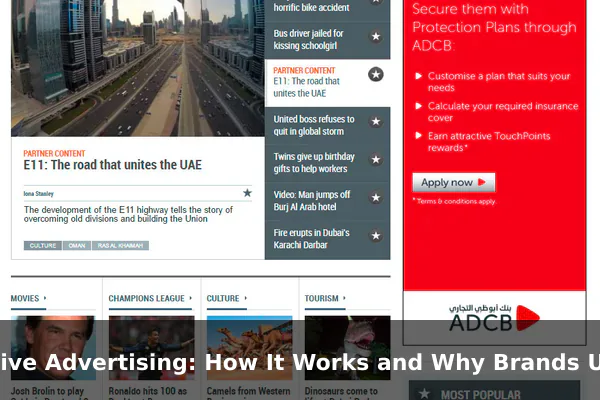
Native advertising has become one of the most talked-about formats in modern marketing, yet many people encounter it every day without realizing it. Unlike a banner ad that sits apart from the page, native ads are designed to look, feel, and read like the platform they appear on. They are paid placements that match the form and function of their surrounding environment.
The appeal is straightforward: when an ad feels like content, audiences are more likely to engage with it. With ad-blindness on the rise and banner click-through rates at historic lows, brands have turned to native advertising to earn attention rather than interrupt for it. This article breaks down what native advertising is, how it operates, why brands invest in it, and what to watch out for.
What Native Advertising Actually Means
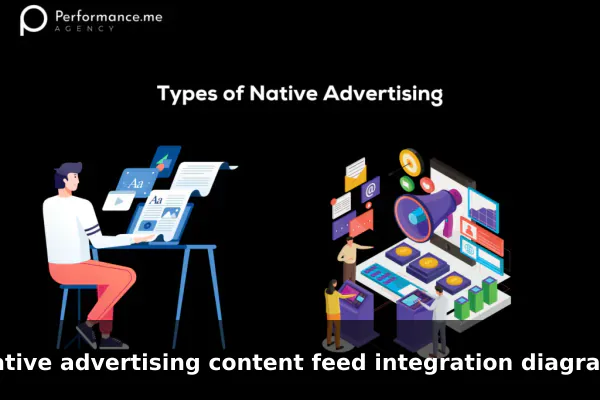
Native advertising is paid media that matches the design, tone, and context of the platform where it appears. Unlike traditional display ads that are visually distinct from surrounding content, native ads blend in seamlessly while still being clearly labeled as sponsored.
The key traits of native advertising include:
- Platform-matched design: The ad adopts the fonts, layout, and style of surrounding editorial content.
- Sponsored label: A disclosure marker such as Sponsored, Promoted, or Paid Partnership distinguishes it from organic content.
- Value-first framing: The content provides genuine information or entertainment rather than only pushing a product.
A sponsored article on a news site, an in-feed post labeled Promoted on a social platform, and a recommended-content widget at the bottom of a blog are all real examples of native advertising in action.
How Native Advertising Works in Practice
Native advertising follows a clear workflow that connects brands with audiences through platform-aligned content. Understanding each step helps brands plan campaigns that feel natural rather than forced.
Audience Targeting
Brands work with publishers or native ad platforms to define their target audience. Targeting criteria can include interests, demographics, browsing behavior, and purchase intent. Publishers with loyal, niche audiences are especially valuable because their readers already trust the platform.
Content Creation
The brand or a content team produces the ad material. This might be a long-form sponsored article, a short in-feed video, or a product feature formatted to match the publisher’s editorial style. The content should deliver genuine value — not simply promote a product.
Placement and Disclosure
The content is placed within the editorial flow and labeled clearly as sponsored. Most platforms and regulators require disclosure to protect readers. Placement can be managed directly through a publisher, through a native ad network like Taboola or Outbrain, or through a social media platform’s ad manager.
User Engagement
Because the format fits naturally within the platform, users engage more readily. They read, click, share, and comment on native ads at higher rates than standard display ads — especially when the content is genuinely relevant to their interests.
Common Native Ad Formats Brands Use
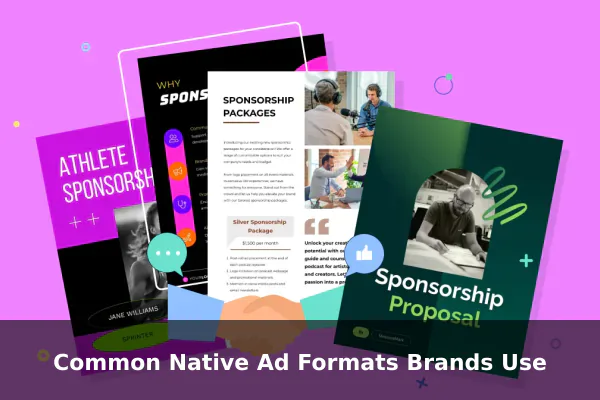
Native advertising covers a broad range of formats across different platforms. Each serves a different goal and audience context.
- Sponsored Articles: Editorial content funded by a brand and published on a media site. Common on news, lifestyle, and trade publishers.
- In-Feed Social Ads: Posts on Facebook, Instagram, LinkedIn, or TikTok that match the look of organic posts, labeled Sponsored.
- Recommended Content Widgets: You might also like or Recommended for you blocks that surface branded content alongside organic articles. Taboola and Outbrain power many of these placements.
- Branded Search Ads: Paid search results that appear alongside organic listings on Google or Bing, formatted to match non-paid results.
- Branded Video: Short video content distributed through a streaming platform or social feed in a format that mirrors non-sponsored videos.
Sponsored articles build thought leadership, in-feed social ads drive immediate engagement, and branded video excels at emotional storytelling. Choosing the right format depends on where the target audience spends time and what stage of the buying journey the campaign addresses.
Why Brands Invest in Native Advertising
Native advertising has grown steadily because it solves real problems that traditional display ads create. Brands across industries use it to reach audiences who have learned to tune out conventional ad formats.
Higher Attention and Engagement
Native ads consistently receive more attention than display ads. Because they fit the reading or viewing experience instead of interrupting it, users spend more time engaging with the content. Higher engagement time signals stronger brand recall and message absorption.
Reduced Ad Fatigue
Audiences have become skilled at ignoring banner ads. Native advertising sidesteps this by presenting the brand message in a format users actively choose to consume. This makes it particularly effective for reaching younger, ad-skeptical demographics.
Stronger Storytelling Opportunity
Unlike a small display banner, a native ad can carry a full narrative. Brands can explain their product’s value, tell a customer story, or provide educational content that positions them as an authority in their field — all within a single placement.
Trust Through Platform Association
When a trusted publisher hosts a sponsored article, some of that trust can transfer to the brand. Readers who value the publisher’s editorial voice may be more receptive to a brand message when it appears in that context, provided the content is genuinely useful and clearly disclosed.
Where Native Advertising Can Fall Short
Despite its strengths, native advertising carries real risks that brands and publishers must manage carefully to protect audience trust and campaign performance.
- Weak or missing disclosure: When native ads are not clearly labeled, audiences may feel misled once they realize the content is sponsored. This damages both brand and publisher credibility and can trigger regulatory scrutiny.
- Content-platform mismatch: A native ad only works when the content is genuinely relevant to the platform’s audience. Off-topic placements feel jarring and perform poorly regardless of production quality.
- Audience skepticism: Sophisticated readers recognize native ads regardless of how they are labeled. If the content feels purely promotional rather than useful, engagement drops quickly and the brand association turns negative.
- Measurement complexity: Native advertising results can be harder to attribute than direct-response channels, especially when the goal is awareness or brand perception rather than immediate conversions.
Best Practices for Effective Native Campaigns
Brands that get consistent results from native advertising follow a set of principles that prioritize audience value and platform alignment over short-term click volume.
Lead with Value
The content should be genuinely informative or entertaining before it is promotional. If a reader learns something useful, they leave with a positive impression of the brand even if they do not convert immediately. Value-first content also performs better algorithmically on most platforms.
Label Transparently
Always use clear disclosure language. Transparency protects audience trust and complies with FTC guidelines and platform rules. Labels like Sponsored by or Paid Partnership with are honest and widely understood by readers.
Match the Platform Tone
A sponsored article on a financial news site needs a different tone than an in-feed video on TikTok. Adapt the creative, language, and format to fit what the audience expects from that specific platform. Generic creative that ignores platform context underperforms consistently.
Align the Landing Page
The destination page should continue the experience the native ad begins. If the ad is a story-driven sponsored article, a landing page full of aggressive sales copy creates a jarring disconnect. Consistency between the ad and the destination improves both user experience and conversion rates.
How to Measure Native Advertising Results
Measuring native advertising requires looking beyond click-through rate. The format is designed for engagement and influence, so a broader set of metrics gives a more accurate picture of performance.
Key metrics to track include:
- Click-Through Rate (CTR): A baseline signal for how compelling the headline and creative are in driving initial interest.
- Time on Content: Longer reading or viewing time indicates the audience found the content valuable and that the brand message had time to make an impression.
- Scroll Depth: Shows how much of the native article or landing page a reader actually consumed, not just loaded.
- Conversion Rate: Tracks whether engaged readers take the next desired step such as signing up, purchasing, or downloading a resource.
- Brand Lift: Survey-based measurement of whether exposure to the native ad improved brand awareness, favorability, or purchase intent among those who saw it.
- Assisted Conversions: Native ads often influence buyers who convert later through other channels. Assisted conversion data in analytics platforms captures this indirect but real value.
The full picture of native advertising performance usually comes from combining direct response data with brand impact measurement rather than relying on any single metric.
Native advertising is not a shortcut or a trick — it is a discipline that requires genuine content quality, thoughtful platform selection, and clear disclosure. When those elements align, it gives brands a way to reach audiences who have tuned out traditional ads while building the kind of trust that performance-only channels rarely create. For marketers looking to balance reach, relevance, and audience respect, native advertising remains one of the most strategically sound formats available today.
