
Every day, people ask friends which restaurant to try, which app to download, or which brand actually delivers on its promises. Those casual conversations carry more weight than most paid advertisements. Word-of-mouth marketing is the process of turning satisfied customers into advocates who voluntarily spread your message — and it has always been one of the most powerful forces in business.
Research consistently shows that people trust recommendations from friends, family, and peers far more than branded content or traditional ads. When a colleague says a product changed their workflow, that endorsement lands differently than any billboard or Google ad could. This article breaks down what word-of-mouth marketing really is, why it works, and how real brands have built growth engines around it.
What Word-of-Mouth Marketing Really Means
Word-of-mouth marketing (often shortened to WOMM) happens when customers share their experiences with a brand and that sharing influences others to try it. It is one of the oldest forms of marketing, yet it remains one of the most relevant in a landscape crowded with paid messages.
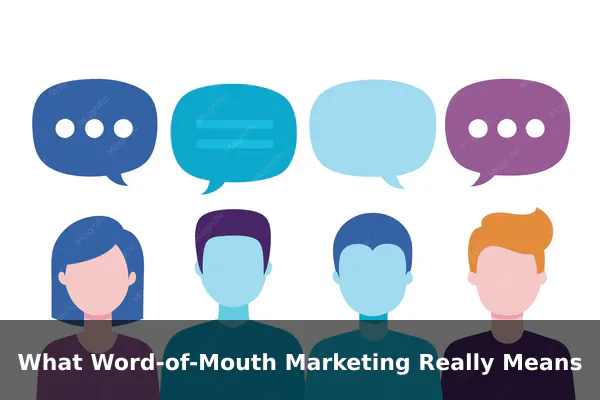
There are two main types worth distinguishing:
- Organic word-of-mouth — happens naturally when a customer loves a product so much they tell people without any prompt or incentive.
- Amplified word-of-mouth — happens when a brand actively creates programs or experiences designed to encourage sharing, such as referral schemes, review campaigns, or community events.
The distinction matters because the most effective word-of-mouth strategies blend both. They create products genuinely worth talking about and then give customers frictionless ways to share.
Why It Works So Well for Brands
The appeal of word-of-mouth marketing goes beyond feel-good stories. There are real, measurable reasons why it consistently outperforms many paid channels.
Trust and Credibility
People are naturally skeptical of brands promoting themselves. A recommendation from a peer carries built-in credibility that no ad can manufacture. Nielsen reports that 92% of consumers trust recommendations from people they know over any other form of advertising — a figure that has held steady for years.
Lower Customer Acquisition Cost
When customers refer others, the cost of bringing in those new customers drops significantly. There are no media fees, agency retainers, or placement costs attached. The referral works on your behalf without a budget line item.
Stronger Retention and Loyalty
Referred customers tend to stay longer and spend more. They arrive already trusting the brand because someone they respect vouched for it. That head start translates directly into higher lifetime value and lower churn.
Compounding Brand Awareness
Each recommendation can trigger more recommendations. One happy customer tells three people. Two of those try the product, love it, and each tell five more. The effect compounds in a way that paid advertising rarely replicates, because trust travels with every share.
The Main Drivers Behind Customer Recommendations
People do not talk about every brand they buy from. Something specific has to spark the urge to share. Understanding those triggers helps you engineer products and experiences that earn recommendations consistently.
- Exceptional product quality — the product simply works better than expected and solves a real problem.
- Memorable customer experiences — support that goes above and beyond, packaging that delights, or a moment that feels genuinely personal.
- Emotional connection — people share brands that align with their identity or reflect values they care about publicly.
- Social proof — when others are visibly talking about a brand, new potential customers feel more confident joining in.
- Referral incentives — discounts, credits, or exclusive perks that give customers a tangible and timely reason to refer friends.
Real-World Examples of Word-of-Mouth Marketing
Looking at how specific brands put word-of-mouth marketing into practice makes the strategy concrete and actionable for any business size.
Dropbox: The Referral Program That Powered Hypergrowth
Dropbox grew from 100,000 to 4 million users in just 15 months largely through a simple two-sided referral program. Users who invited friends received extra free storage, and so did the friend they invited. The incentive was directly tied to the product’s core value — more space to store files — which made it feel natural rather than transactional. The program’s cost was a fraction of what equivalent paid acquisition would have required, and the growth rate it generated became a landmark case study in startup marketing.
Tesla: Advocacy Built Without Traditional Advertising
Tesla famously spends almost nothing on conventional advertising. Instead, it relies on an enthusiastic owner community that shares photos, videos, and stories organically across social platforms. Early referral programs offered perks like free Supercharger credits and exclusive event access. The brand’s combination of genuinely innovative engineering and strong community identity made owners feel like participants in something larger than a car purchase — and that feeling consistently drove conversations that no ad could buy.
Glossier: Community as the Core Marketing Strategy
Beauty brand Glossier built its business almost entirely on community and customer voice. The founder gathered product feedback directly from readers before launching, which meant early customers felt genuine ownership over the brand’s direction. Glossier encouraged customers to share their routines and results, turning everyday buyers into visible advocates. Its word-of-mouth reach grew faster than its paid media spend, and the brand became a reference point for how to build a product-led advocacy engine from the ground up.
How to Encourage Word-of-Mouth Without Forcing It
The key tension in word-of-mouth marketing is that manufactured buzz rings hollow quickly. People sense when enthusiasm is engineered rather than genuine. The goal is to create the right conditions for real sharing to happen organically.
Start With the Product
No referral program or review campaign will compensate for a mediocre product. The non-negotiable foundation is delivering an experience that genuinely exceeds what customers expected when they first purchased.
Make Sharing Frictionless
Give customers a clear and easy path to share. Pre-written social messages, shareable referral links, or a one-tap review prompt reduce the effort required and meaningfully increase the likelihood that someone follows through.
Build a Referral Program That Rewards Both Sides
One-sided incentives feel purely transactional. Rewarding both the referrer and the new customer creates a moment of mutual benefit that reflects positively on the brand and feels less like a marketing tactic.
Ask for Reviews at the Right Moment
Timing matters more than most brands realize. Requesting a review right after a positive touchpoint — a successful delivery, a resolved support issue, or a product milestone — increases response rates dramatically compared to a generic follow-up email sent days later.
Engage Your Most Active Advocates
Identify customers who already talk about your brand without prompting and give them early access, exclusive content, or personal recognition. Making advocates feel genuinely seen and valued deepens their commitment and amplifies their reach.
Common Mistakes That Weaken Word-of-Mouth Campaigns
- Overpromising — setting expectations you cannot consistently meet guarantees negative word-of-mouth when customers feel let down or deceived.
- Ignoring public complaints — one unresolved complaint visible on a review platform can undo the impact of dozens of positive reviews.
- Misaligned incentives — a small discount means little to a customer who rarely shops with you. Align rewards with what your specific audience actually values.
- Attempting to manufacture fake buzz — fake reviews and astroturfing campaigns destroy trust permanently the moment they are discovered.
- Treating it as a one-time campaign — word-of-mouth is a continuous practice built over time, not a single launch activation.
How to Measure Whether It Is Working
Word-of-mouth marketing is sometimes dismissed as unmeasurable, but practical metrics exist to track its momentum and guide decisions.
Net Promoter Score
NPS asks customers how likely they are to recommend your brand on a scale of one to ten. A rising score over consecutive measurement periods signals growing advocacy potential and alerts you early when satisfaction is slipping.
Referral Rate
Track what percentage of new customers arrive through referral links or self-report that a friend recommended you. Sustained growth in this number is a direct signal of strengthening word-of-mouth.
Review Volume and Sentiment
Monitor the number and average rating of reviews on platforms where your customers are active. Consistent growth in positive reviews is a reliable leading indicator of broader organic recommendation behavior.
Branded Search and Social Mentions
An increase in people searching your brand name directly or mentioning it on social platforms without a prompt from you suggests organic conversation is growing, even when individual mentions cannot be traced back to a specific source.
When Word-of-Mouth Becomes a Growth Engine
Word-of-mouth marketing performs best when a brand has already done the foundational work: a product people genuinely love, a customer experience worth remembering, and a clear and easy way for happy customers to share. When those three elements align, organic advocacy compounds over time and reduces reliance on expensive paid acquisition channels.
For businesses starting out, the immediate priority should be earning a first wave of enthusiastic customers and listening closely to what they say. Those early conversations serve as free market research and early-stage marketing at the same time. For growing businesses, formalizing the process with referral programs, review systems, and community engagement turns organic momentum into a more predictable and scalable growth channel.
Word-of-mouth marketing cannot replace all other marketing activity, but in a world where consumers are increasingly skeptical of brand-generated messages, the voice of a genuinely satisfied customer remains one of the most persuasive and cost-efficient tools any business has at its disposal.
