
Most marketing conversations start with acquisition — how to reach new people, how to convert visitors into buyers, how to grow the top of the funnel. But the most valuable customer a brand can have is not a new one. It is the one who already bought, came back, and told a friend. That is the promise behind relationship marketing: building connections that outlast a single transaction.
Relationship marketing shifts the focus from closing deals to creating ongoing value. Instead of treating every customer interaction as a standalone event, it treats the entire customer journey as a relationship that can deepen over time. Done well, it turns first-time buyers into loyal advocates who spend more, stay longer, and bring others with them. This article breaks down what relationship marketing actually means, why customer loyalty is harder to earn than ever, and the practical strategies brands use to build it.
What Relationship Marketing Really Means
Relationship marketing is a strategy focused on building long-term connections with customers rather than maximizing individual sales. The goal is not just to make a sale — it is to earn trust, deliver consistent value, and keep customers engaged over time so they choose your brand again and again.
The contrast with transactional marketing is sharp. Transactional marketing treats every purchase as its own event. The customer buys, the sale is recorded, and the marketing cycle resets. Relationship marketing treats every purchase as a step in an ongoing dialogue. What happened before the sale matters. What happens after the sale matters even more.
The Origins of the Concept
Relationship marketing as a formal idea emerged in the 1980s and 1990s, largely in response to growing evidence that retaining customers was far more cost-effective than constantly acquiring new ones. Research consistently showed that small improvements in customer retention could generate outsized increases in profit. A customer who stays with a brand and makes repeat purchases delivers more total revenue over time than a one-time buyer, even if that one-time buyer spent more on a single order.
Where It Fits in the Broader Marketing Mix
Relationship marketing is not a replacement for awareness campaigns or paid advertising. Those channels still matter for getting customers through the door. Relationship marketing takes over once someone has engaged with the brand. It governs how a brand treats people after the first click, after the first purchase, and during every touchpoint in between.
Why Real Customer Loyalty Is Hard to Earn
Customers today have more choices, more information, and less patience than any previous generation. A competitor is always one search away. A bad experience gets shared publicly within minutes. And loyalty programs that once felt special now feel like table stakes — nearly every major brand has one, which means having one no longer differentiates you.
Rising Expectations
Modern customers expect brands to know them. They expect personalized communication, fast responses, and seamless experiences across every channel. When those expectations are not met — or when they receive generic messages that feel mass-produced — trust erodes. The bar for what counts as good service has risen dramatically, pushed higher by benchmark experiences from companies that have trained customers to expect fluid, personalized interactions at every stage.
The Trust Deficit
Years of aggressive promotional marketing, spam, and data misuse have made many customers skeptical. They are slower to give brands the benefit of the doubt and quicker to switch when something feels off. Trust is now a precondition for loyalty — not just a nice outcome. Brands that want genuine loyalty have to earn credibility before they can earn repeat purchases.
The Core Principles Behind Strong Brand Relationships
Successful relationship marketing is built on a handful of principles that guide how brands interact with their customers over time. These are not tactics — they are the underlying commitments that make tactics work.
Trust as the Foundation
Trust is built through consistency. Brands that say what they do and do what they say — with products that perform as described, service that follows through on promises, and communication that respects the customer’s time — create the conditions for loyalty. Trust is also built through transparency: being honest about mistakes, pricing, and limitations rather than hiding behind marketing language.
Personalization That Feels Genuine
Personalization in relationship marketing does not mean inserting a customer’s first name into an email subject line. It means using what you know about a customer’s preferences, purchase history, and behavior to communicate in ways that feel relevant rather than random. A clothing brand that recommends styles based on past purchases is doing personalization. A software company that sends onboarding tips based on which features a user has not yet explored is doing personalization. The key is making the customer feel seen, not tracked.
Consistency Across Every Touchpoint
Relationship marketing is undermined when a brand’s quality or tone shifts between channels. A customer who receives warm, helpful support via chat but cold, generic emails from the same company will notice the disconnect. Consistency means delivering the same core experience — responsive, respectful, and on-brand — whether the interaction happens in a store, on social media, through customer service, or in a post-purchase follow-up.
Value Beyond the Sale
Customers who feel a brand genuinely helps them are far more likely to stay loyal than those who feel they are simply being sold to. Relationship marketing creates ongoing value through useful content, proactive support, exclusive access, and educational resources that contribute to the customer’s life or work beyond the product itself.
Tactics Brands Use to Build Loyalty Over Time
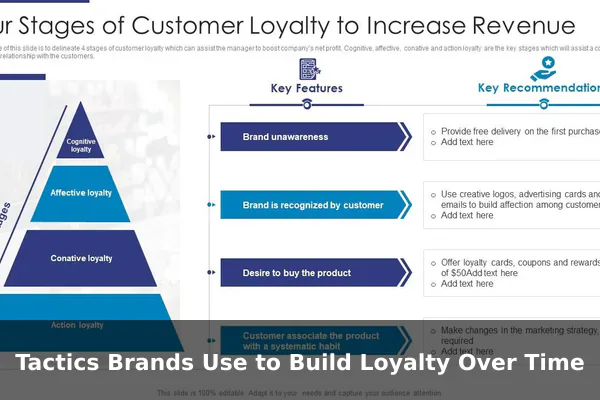
The principles above are given shape through specific tactics. These are the concrete actions brands take to nurture relationships and keep customers coming back.
- Email nurturing sequences: Rather than blasting promotional emails, brands with strong relationship marketing programs send messages timed to the customer’s journey — welcome sequences for new customers, re-engagement campaigns for those who have gone quiet, and milestone messages that acknowledge time spent with the brand.
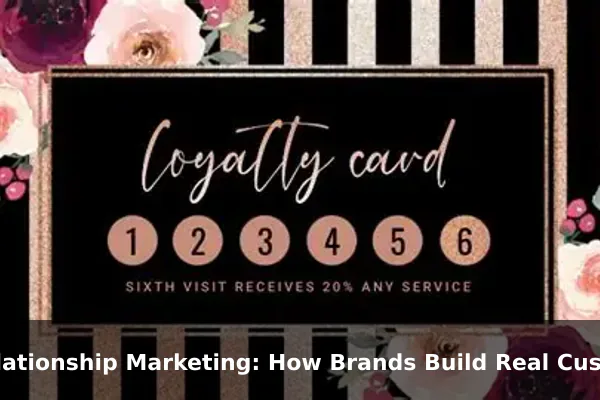
- Loyalty and rewards programs: Well-designed loyalty programs reward repeat behavior and give customers a reason to choose the same brand over competitors. The best programs go beyond points and discounts to offer exclusive access, early releases, or personalized perks that feel genuinely valuable.
- Customer communities: Brands that build forums, online groups, or member networks give customers a reason to stay connected even between purchases. A community creates belonging — customers become invested not just in the product, but in the people who use it.
- Post-purchase follow-up: The period immediately after a purchase is one of the most valuable windows for relationship building. A simple follow-up message asking if the product arrived as expected, offering setup tips, or inviting feedback signals that the brand cares about the experience, not just the sale.
- Service recovery: When things go wrong — and they will — how a brand responds defines the relationship more than the mistake itself. Brands that own their errors, respond quickly, and make things right often emerge with stronger loyalty than they had before the problem occurred.
Helpful Content as a Loyalty Tool
Ongoing content — whether blog posts, how-to videos, newsletters, or tutorials — keeps the brand present and useful in the customer’s life between purchases. It reinforces expertise, demonstrates that the brand cares about the customer’s success, and gives customers reasons to return to the brand’s channels even when they are not actively shopping.
Examples of Relationship Marketing in Action
Looking at how different types of brands apply relationship marketing makes the principles more concrete.
Ecommerce: Personalized Reorder Reminders
A skincare brand that tracks how long a customer’s typical product supply lasts can send a reorder reminder a few days before they are likely to run out. This is not spam — it is a genuinely useful nudge based on real purchase patterns. It saves the customer time and positions the brand as attentive. Paired with a small loyalty discount for repeat orders, it turns a basic operational data point into a relationship touchpoint.
SaaS: Success-Focused Onboarding
A software company that sends onboarding sequences tailored to a user’s specific use case — rather than generic feature walkthroughs — demonstrates that it understands why the customer signed up. Follow-up check-ins at 30, 60, and 90 days, with offers to connect with a success manager if the user has not reached key milestones, show ongoing investment in the customer’s outcome rather than just their subscription status.
Retail: Experiential Loyalty Programs
A specialty outdoor retailer that offers members early access to new gear, free rental equipment, and exclusive workshops builds loyalty that goes far beyond a discount card. Customers become part of a community tied to a shared interest, and the brand becomes the default choice because it is woven into the activities they love.
How to Measure Whether Relationship Marketing Is Working
Relationship marketing produces results that show up in data — but not always the same metrics that performance marketing teams track. The relevant signals tend to be longer-term and behavioral.
- Repeat purchase rate: The share of customers who buy more than once is the most direct measure of loyalty. A rising repeat purchase rate indicates customers are choosing to come back.
- Customer lifetime value (CLV): This measures the total revenue a customer generates over their entire relationship with the brand. Growing CLV indicates that relationships are deepening over time.
- Customer retention rate: The percentage of customers who remain active over a given period. High retention is the clearest sign that relationship marketing is working.
- Net Promoter Score (NPS): Asking customers how likely they are to recommend the brand captures the advocacy dimension of loyalty — customers who actively recommend a brand are its most valuable relationship marketing asset.
- Referral activity: Tracking how many new customers arrive through word-of-mouth or referral links shows whether loyalty is translating into organic growth.
- Engagement rates: Open rates on emails, click-through rates on loyalty communications, and participation in community spaces all indicate how invested customers remain in the relationship.
Common Mistakes That Weaken Customer Trust
Even brands with strong relationship marketing intentions make mistakes that erode the trust they are trying to build. Knowing the common pitfalls helps avoid them.
Over-Automation Without Personalization
Automation is a useful tool in relationship marketing, but over-reliance on it produces experiences that feel mechanical. Triggered emails that fire off regardless of context, chatbots that cannot answer real questions, and loyalty communications that read like terms and conditions all signal that the brand values efficiency over the relationship. Automation should support human judgment, not replace it.
Irrelevant or Excessive Messaging
Sending too many messages — or messages that clearly do not match the customer’s interests or stage — trains customers to ignore brand communications. Once that habit forms, even genuinely useful messages get filtered out. Less, but more relevant, is almost always better in relationship marketing.
Treating Loyalty Programs as Substitutes for Value
A loyalty program cannot compensate for a poor product, slow service, or a frustrating experience. Brands that invest heavily in loyalty mechanics while neglecting core experience quality end up with customers who collect points but do not actually feel loyal. The program amplifies the relationship — it does not create it.
How to Start a Relationship Marketing Strategy
Building a relationship marketing strategy does not require a complete overhaul of existing marketing operations. It starts with a few focused changes and builds over time.
- Audit your current customer touchpoints. Map every point where customers interact with your brand — before, during, and after purchase. Identify which touchpoints feel impersonal, inconsistent, or purely transactional, and which already deliver genuine value.
- Segment your audience meaningfully. New customers need different communication than repeat buyers, and at-risk customers need different outreach than loyal advocates. Segmentation allows relevance at scale.
- Improve post-purchase communication first. The period after a purchase is the most underutilized moment in relationship marketing for most brands. A thoughtful follow-up sequence — delivery confirmation, usage tips, feedback request, and a check-in — costs little and builds significant goodwill.
- Add value between purchases. Look for opportunities to stay useful and present without being promotional. Educational content, helpful reminders, and community invitations keep the relationship warm between buying cycles.
- Build feedback loops. Actively solicit customer input and act on what you hear. Customers who see their feedback reflected in brand decisions feel invested in the relationship — they become collaborators rather than consumers.
- Track the right metrics. Shift at least some of your measurement attention from acquisition metrics to retention and loyalty metrics. What gets measured gets managed.
Conclusion
Relationship marketing is not a campaign — it is a long-term commitment to treating customers as partners rather than targets. The brands that do it well understand that sustainable growth comes from deepening existing relationships, not just widening the top of the funnel. Every touchpoint, every follow-up, and every moment of genuine care adds to a growing account of trust that pays dividends in loyalty, referrals, and lifetime value.
Starting does not require a large budget or complex technology. It requires a clear decision: to prioritize the long-term relationship over the short-term transaction. That decision, applied consistently across every customer interaction, is what turns one-time buyers into the kind of loyal customers that sustain brands for years.
