

A marketing strategy is the master plan that guides every promotion, campaign, and channel decision a business makes. Unlike a single tactic or advertisement, a strategy defines where you are going, who you are targeting, and how you plan to get there over the long term.
Many businesses confuse strategy with execution. Posting on Instagram or running a Google ad is a tactic. Deciding which audience to reach, what message will resonate, and which channels are worth the investment — that is strategy. This article breaks down the key elements of an effective marketing strategy and shows how different types of businesses put those elements into practice.
What a Marketing Strategy Really Means
A marketing strategy is a long-term plan that connects your business goals to specific actions designed to reach and convert the right customers. It answers three essential questions:
- Who are you trying to reach? — your target audience
- What do you want them to do? — your goals and desired actions
- How will you reach and persuade them? — your channels, messaging, and value proposition
A marketing strategy is not the same as a marketing plan. The strategy is the why and the direction; the plan is the calendar, budget, and task list that makes the strategy happen. Strategies typically span months or years, while tactics are short-term actions that support the strategy.
Why Businesses Need a Clear Marketing Strategy
Without a strategy, marketing efforts tend to be scattered, reactive, and hard to measure. A clear strategy provides four core benefits.
Focus and Consistency
When every team member understands the target audience and core message, all content, ads, and communications point in the same direction. Customers receive a consistent brand experience regardless of where they encounter the business.
Better Budget Allocation
A strategy helps you prioritize channels most likely to reach your audience, so you spend money where it matters rather than spreading budget too thin across platforms that may not deliver results.
Informed Decision-Making
When a new opportunity arises — a trending platform, a partnership offer, or a new ad format — a strategy gives you a filter. You can ask: does this fit our audience, goals, and message? If yes, pursue it. If not, skip it.
Measurable Results
A strategy defines goals and success metrics upfront, making it possible to track progress and demonstrate that marketing investment is generating a return for the business.
Key Elements of an Effective Marketing Strategy
A strong marketing strategy contains several interconnected components. Each one informs the next, and skipping any of them weakens the whole structure.
Target Audience
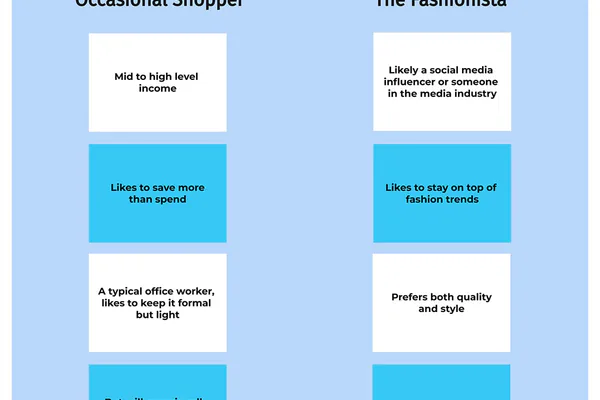
Defining who you are speaking to is the first and most important step. A useful audience profile goes beyond basic demographics to include pain points, goals, buying behaviors, and where they consume information. The more specific the audience, the more relevant your messaging can be.
Value Proposition
Your value proposition is the clear statement of why someone should choose your product or service over a competitor. It answers: what do you offer, for whom, and what makes it different or better?
Positioning
Positioning defines where your brand sits in the market relative to competitors. Are you the affordable option, the premium choice, the most convenient, or the most specialized? Positioning shapes how all your messaging is framed across every channel.
Goals and KPIs
Every strategy needs measurable goals. Common marketing goals include increasing website traffic, generating qualified leads, growing email subscribers, or achieving a specific revenue target. Attach a key performance indicator to each goal so you know exactly what success looks like.
Channel Mix
Channels are where you reach your audience — SEO, social media, email, paid advertising, events, partnerships, and more. Your strategy should specify which channels to prioritize based on where your audience spends time and what your budget allows.
Messaging and Budget
Messaging defines the tone, language, and core themes used across all communications. A realistic budget ensures the strategy is achievable and allocates resources across channels, accounting for both paid promotion and content creation costs.
How to Build a Marketing Strategy Step by Step
Here is a practical process for building a marketing strategy from scratch, regardless of business size or industry.
- Define your business goal. Start with what the business needs: more customers, higher revenue, entry into a new market, or stronger retention.
- Research your target audience. Use surveys, customer interviews, analytics data, and competitor research to build detailed audience profiles.
- Audit your current marketing. Understand what is working, what is not, and what gaps exist in your current approach.
- Write your value proposition. Craft a single, clear statement that communicates the benefit you offer and who it is for.
- Choose your primary channels. Select two or three channels where your audience is most active and where your resources can make a real impact.
- Set goals and KPIs. Attach specific, measurable targets to each channel and to the overall strategy.
- Plan your content and messaging. Decide on the themes, formats, and cadence that will carry your message to the audience consistently.
- Set a budget. Allocate spend by channel and build in flexibility to shift resources based on performance data.
- Review and iterate. Schedule monthly or quarterly reviews to assess results and refine the strategy as needed.
Practical Examples of Marketing Strategy in Action

Marketing strategy looks different depending on the size and type of business. Here are three concise examples that show how the elements come together in practice.
Small Local Business: A Coffee Shop
A neighborhood coffee shop targets local residents and office workers within a one-mile radius. Its value proposition is the fastest specialty coffee in the business district. Primary channels are Google Business Profile for local search visibility, Instagram for visual community content, and a loyalty app for repeat visits. The goal is to increase weekly repeat visits by 20 percent over six months, measured through app activity and new reviews.
E-Commerce Brand: A Skincare Company
An online skincare brand targets women aged 25 to 40 who prefer clean, ingredient-transparent products. Its value proposition is skincare you can trust, made simple. Primary channels are SEO-driven blog content, Instagram and TikTok for awareness, and email marketing for nurturing and retention. Goals include growing organic traffic by 40 percent and achieving a 15 percent email conversion rate.
B2B Company: A Project Management Software Firm
A B2B SaaS company targets operations managers at mid-size technology firms. Its value proposition is reduce project delays by giving every team a single source of truth. Primary channels are LinkedIn for demand generation, SEO for inbound leads, and webinars for nurturing prospects. Goals include generating 200 qualified leads per month and shortening the sales cycle by 10 percent.
Common Marketing Strategy Mistakes to Avoid
Even experienced marketers fall into predictable traps that weaken an otherwise solid strategy. Watch out for these frequent errors:
- Trying to reach everyone. A strategy without a defined audience dilutes the message and wastes budget on people who are unlikely to convert.
- Copying competitors. Understanding competitors is important, but copying their strategy ignores the differences in your audience, resources, and positioning.
- Using too many channels at once. Spreading effort across six channels with a limited team usually means doing none of them well. Focus on two or three and execute consistently.
- Skipping the measurement step. A strategy without defined KPIs has no way to prove it is working or justify continued investment to stakeholders.
- Treating strategy as a one-time exercise. Markets change, competitors move, and audiences evolve. A strategy that is never reviewed becomes stale and ineffective.
How to Measure and Improve Your Strategy Over Time
A marketing strategy is not a document you write once and file away. It needs regular review to stay effective and aligned with business reality.
Monthly Check-In
Review channel-level KPIs each month: traffic, leads, open rates, engagement, and conversion rates. Look for patterns — which content formats perform best, which channels are growing or declining, and where conversion drops off in the journey.
Quarterly Strategy Review
Every quarter, assess whether your goals are still the right goals, whether your positioning holds against new competitors, and whether your audience profile has shifted. Adjust channel allocation and budget based on what the data actually shows.
Annual Strategy Reset
Once a year, step back and evaluate the strategy as a whole. Is the value proposition still relevant? Have new channels emerged that your audience is adopting? Are there new business goals that require a different focus? A full annual review keeps the strategy aligned with where the business is heading.
The businesses that consistently outperform their competitors are rarely the ones with the biggest budgets. They are the ones that know exactly who they are talking to, what they are offering, and how to measure whether it is working. Start with the elements outlined here, apply them to your specific business context, and revisit them regularly. That is what a real marketing strategy looks like in practice.
