
Video has become one of the most powerful formats for building a business audience online. Whether it is a quick product demo, a customer testimonial, or an educational series on YouTube, video content captures attention faster than text and keeps viewers engaged longer. Businesses of all sizes now use video not just for advertising, but as a core part of how they communicate and build relationships with the people they want to serve.
What sets video marketing apart from other formats is its ability to communicate personality, demonstrate value, and create trust — all in a matter of seconds. For brands trying to grow an audience in a crowded digital space, video provides a natural advantage that other content types simply cannot replicate with the same immediacy.
Why Video Matters for Audience Growth
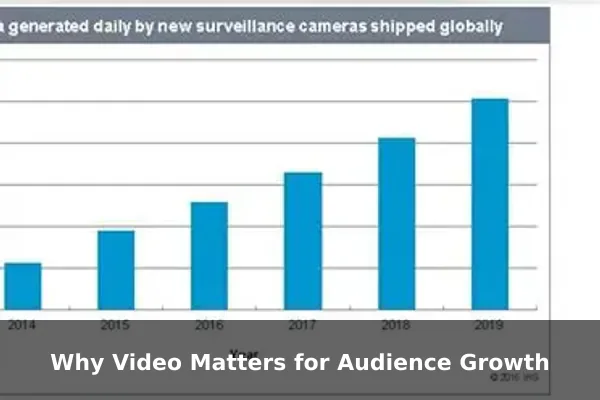
Video consistently delivers some of the highest engagement rates of any content format. It combines audio, visuals, and motion to communicate faster and more memorably than text or images alone. When someone watches a 60-second video explaining how a product works, they absorb far more than they would from reading a description of the same length.
For audience growth specifically, video has a compounding effect. Well-optimized videos on platforms like YouTube improve a brand’s discoverability through search. Short-form clips on social media get shared organically, expanding reach without additional spend. Embedded videos on landing pages increase the time visitors spend on a page, which signals quality to search engines and can improve conversion rates at the same time.
The Main Types of Marketing Videos Businesses Use
Not all marketing videos serve the same purpose. Businesses use a range of video formats depending on what they are trying to achieve:
- Explainer videos break down complex products or services into simple, digestible concepts that a first-time visitor can quickly understand.
- Product demos show how something works in real time, reducing purchase hesitation by answering practical questions before they arise.
- Customer testimonials build social proof by letting satisfied customers speak directly to prospects in their own words.
- Behind-the-scenes content humanizes a brand by showing the people, culture, and processes that make the business work.
- Educational or how-to videos attract audiences by solving real problems and building authority over time without a direct sales pitch.
- Short-form social videos — Reels, TikToks, and YouTube Shorts — are built for discovery, shares, and quick engagement on mobile-first platforms.
- Live videos create real-time connection through events, Q&As, and product launches that reward viewers for showing up in the moment.
Choosing the right format depends on the goal — awareness, trust-building, or conversion — and where in the customer journey the viewer currently sits.
How Video Supports Each Stage of the Customer Journey

One of the most practical ways to think about video marketing is by mapping content to where a potential customer is in their decision-making process. Different stages call for different video types, tones, and calls to action.
Awareness Stage
At this point, potential customers do not yet know the brand. Short, attention-grabbing videos on social media, YouTube, or in paid placements introduce the business and the problem it solves. The goal here is reach and recognition, not immediate conversion.
Consideration Stage
Here, viewers are actively evaluating their options. Explainer videos, comparison content, and detailed product demos help answer questions and reduce doubt. Educational content plays a central role in building credibility and positioning the brand as a trustworthy option.
Decision Stage
Testimonial videos, case studies, and results-focused demos give undecided prospects the confidence to take action. A clear and specific call to action is essential at this stage, guiding viewers toward the next step rather than leaving the choice open-ended.
Retention and Loyalty
After the sale, video continues to add value. Onboarding tutorials, how-to guides, and community-focused content help customers get more from their purchase and stay connected to the brand over time — turning a one-time buyer into a repeat customer.
Choosing the Right Channels for Video Distribution
Producing a great video is only half the work. Getting it in front of the right audience requires matching content to the platforms where the target audience is most active and most receptive.
- YouTube works best for longer educational content and search-based discovery. Treating it like a search engine — with optimized titles, descriptions, and tags — is essential for sustainable growth.
- Instagram and TikTok favor short, visually engaging clips that align with trend-driven and entertainment-focused algorithms. Authenticity often outperforms high production value on these platforms.
- LinkedIn suits B2B audiences well. Thought leadership content, client case studies, and professional insights perform consistently on this platform.
- Email is an underused channel for video. Even linking to a hosted video from within an email can significantly improve click-through rates compared to text-only messages.
- Landing pages benefit from embedded video because it increases time-on-page and can raise conversion rates for lead generation forms or product purchases.
The goal is not to be present on every platform, but to be consistent and relevant on the channels that matter most to the specific audience a business is trying to reach.
What Makes a Marketing Video Actually Effective
Production quality matters, but it rarely determines whether a video succeeds. What actually drives results is how well the content serves the viewer — how clearly it communicates, how quickly it delivers value, and how naturally it leads to the next step.
A Strong Hook in the First Seconds
The first three to five seconds determine whether someone keeps watching or scrolls past. A compelling question, a surprising statement, or an immediate visual payoff stops the scroll and earns the viewer’s attention for what comes next.
One Clear, Focused Message
Every video should communicate one main idea. Trying to cover too many points in a single video dilutes the message and reduces what viewers actually remember and act on after watching.
Captions and Mobile-First Formatting
Most video content is consumed on mobile devices, often without sound. Captions make content accessible to a wider audience and significantly extend average watch time. Vertical formatting for short-form platforms like TikTok and Instagram Reels performs better than horizontal framing on those surfaces.
A Focused Call to Action
Telling viewers exactly what to do next — visit a page, subscribe, watch another video, or book a call — is critical. A vague or absent call to action wastes the attention the video already earned and leaves conversion potential on the table.
Common Video Marketing Mistakes to Avoid
Even well-intentioned video strategies can underperform when a few common errors go uncorrected. Being aware of these pitfalls makes it easier to avoid them before they cost time and budget.
- No defined goal: Creating videos without knowing what action viewers should take makes it impossible to measure success or make meaningful improvements over time.
- Overproducing simple content: Spending excessive time and budget on videos that do not require high production value slows output, delays learning, and limits how frequently content gets published.
- Ignoring analytics: Watch time, drop-off rates, click-through rates, and conversion data reveal exactly what is working and what needs adjustment — ignoring this data means repeating the same mistakes.
- Inconsistent posting: Algorithms on most platforms favor consistent creators, and audiences build viewing habits around regular content. Sporadic uploads undermine both discoverability and audience trust.
- Weak distribution: A well-produced video that reaches no one has no marketing impact. Promotion and distribution deserve as much planning and effort as production itself.
How Small Businesses Can Build a Simple Video Plan
Small businesses often assume that video marketing requires expensive equipment or a dedicated production team. In practice, that assumption delays progress far more than any actual resource constraint. A clear plan and consistent effort matter far more than production value, especially in the early stages of building an audience.
Start with three core content themes — topics that align with what the business does and what customers most frequently ask about. These themes give every video a clear purpose and make it much easier to generate ideas on a regular basis without starting from scratch each time.
Commit to a realistic publishing frequency. Even one video per week creates forward momentum and gives the algorithm something consistent to work with. Consistency builds audience familiarity faster than occasional high-effort posts separated by long gaps.
Use what is already available. A smartphone with good lighting, a free video editing app, and a quiet recording space are enough to produce useful, watchable content. Equipment and production quality can improve naturally as the channel gains traction and budget follows results.
Repurpose every piece of content across platforms. A longer YouTube video can be trimmed into multiple short clips for Instagram or TikTok. One recording session can supply content for several different platforms and formats with minimal additional effort.
Track performance from the very beginning. Even basic metrics — views, watch time, and link clicks — show which topics resonate with the audience and where to focus creative energy next. Data-informed decisions beat guesswork at every stage of growth.
Conclusion
Video marketing is not a strategy reserved for large brands with production budgets to match. It is a practical, scalable approach that any business can use to attract attention, build trust, and grow a loyal audience over time. The businesses that see the strongest results are not always the ones with the highest-quality production — they are the ones that show up consistently, serve their audience genuinely, and treat video as a long-term investment rather than a one-time experiment. Starting small, staying consistent, and refining based on what the data shows is a reliable path to meaningful audience growth through video.
