

When a friend recommends a product they genuinely love, you are far more likely to try it than if you saw an ad for the same thing. That simple dynamic is the engine behind referral marketing — a strategy that turns satisfied customers into an active, trust-driven growth channel. Unlike paid media or outbound campaigns, referral marketing does not interrupt strangers. It travels through relationships that already exist.
Referral marketing is not just organic word-of-mouth left to chance. It is a structured, trackable system built to encourage customers to bring in new ones, with clear incentives on both sides. Businesses that run referral programs well report lower acquisition costs, better-quality leads, and customers who stay longer. This guide breaks down what referral marketing is, exactly how it works, and what it takes to build a program that delivers consistent results.
What Referral Marketing Actually Means
Referral marketing is a customer acquisition strategy in which a business incentivizes its existing customers to recommend its products or services to people they know. When a referred person completes a defined action — such as signing up or making a first purchase — one or both parties receive a reward.
It helps to separate referral marketing from similar concepts that often get confused with it:
- Word-of-mouth marketing is organic and unstructured. Customers mention your brand because they like it, with no system or incentive driving the behavior. Referral marketing adds deliberate structure to that natural impulse.
- Affiliate marketing typically involves third-party publishers or content creators who promote a brand as a business arrangement, often to audiences they have never met personally.
- Loyalty programs reward repeat purchases from existing customers. Referral programs specifically reward the act of bringing in someone new.
The defining characteristic of referral marketing is intentionality. It takes the trust that already exists between a customer and their network and gives that trust a mechanism, a tracking system, and a reward that makes action worth taking.
How Referral Marketing Works Step by Step
A referral program follows a clear and repeatable process. Understanding each stage makes it easier to build one that works reliably.
Step 1: The Customer Joins the Program
An existing customer opts into the referral program, either by visiting a dedicated sign-up page or by automatically receiving a unique referral link or code after completing a purchase or registration.
Step 2: The Customer Shares the Link
The customer shares their unique link or code through any channel they choose — email, a direct message, social media, or a group chat. Because the sharing is personal and voluntary, it feels natural rather than promotional.
Step 3: A New Customer Takes Action
Someone in the referrer’s network clicks the link and completes the required action, such as creating an account, making a first purchase, or starting a paid subscription. What counts as a qualifying action depends on what the business has defined upfront.
Step 4: The Referral Is Tracked
The referral software logs the connection between the referrer and the new customer automatically. This tracking layer is what separates a formal referral program from unstructured word-of-mouth — it gives the business visibility into who referred whom and whether a reward should be issued.
Step 5: Rewards Are Distributed
Once the qualifying action is confirmed, rewards are sent out. Depending on program design, the reward may go to the referrer only, to both parties, or only to the new customer. Delivery might be instant or after a short validation window to prevent fraud.
Why Referral Marketing Matters for Business Growth
Referral marketing consistently ranks among the highest-return channels in a marketing mix. The reasons come down to trust, cost efficiency, and the compounding nature of customer-driven growth.
Trust Is Already There
People trust recommendations from people they know above almost any other source of information. When a referral arrives through a personal connection, the new customer arrives with a baseline of confidence in the brand. That trust shortens the sales cycle and raises the chance of conversion.
Lower Customer Acquisition Cost
Paid advertising requires continuous spending to maintain a flow of new customers. A referral program, once running, generates new customers at a fraction of that cost. The reward paid out — say a $10 store credit — is often significantly less than what the same acquisition would cost through a paid channel.
Higher Conversion Rates
Referred leads convert at a higher rate than leads from most other sources. They arrive pre-sold to some degree, backed by a personal recommendation. The business spends less time and effort convincing them because the trust has already been established.
Stronger Retention
Customers acquired through referrals tend to stay longer and spend more over time. They typically have a better fit with the product from the start because the person who referred them understood both the product and the new customer’s needs. Higher lifetime value and lower churn are consistent outcomes in programs that run successfully.
Common Types of Referral Programs
Different businesses use different reward structures depending on their margins, their customer base, and what kind of incentive feels genuinely motivating.
- One-sided rewards: Only the referrer receives a reward. Simpler to manage, but may feel less appealing to new customers who have no existing connection to the brand.
- Two-sided rewards: Both the referrer and the new customer receive something. This is the most widely used model because it gives both parties a clear reason to participate. Dropbox built its early growth largely on this structure, offering extra storage to both sides.
- Store credit: The referrer earns credit toward a future purchase. This works well for ecommerce brands because it also drives a follow-up transaction from the existing customer.
- Cash incentives: Direct cash rewards, delivered via PayPal or bank transfer, tend to feel universally appealing. Common in fintech, banking, and SaaS.
- Tiered rewards: Referrers unlock bigger rewards as they refer more people. This motivates your most enthusiastic customers to keep sharing and creates a lightweight ambassador program within your existing base.
- B2B referral partnerships: Businesses refer other businesses in exchange for commissions or revenue sharing. Particularly common in consulting, software, and professional services where deal sizes are large enough to justify a significant reward.
What Makes a Referral Program Successful
Many referral programs are launched and then quietly forgotten because they fail to generate momentum. The gap between a program that works and one that does not usually comes down to a few core elements.
A Product Worth Recommending
No reward will persuade a customer to put their reputation on the line for a product they do not genuinely like. The foundation of every successful referral program is a strong customer experience. If satisfaction scores are low, fix that before building a referral layer on top.
Frictionless Sharing
If it takes more than two or three steps to share a referral link, most people will abandon the process. Provide a one-click copy button, pre-written messages for popular channels, and direct social sharing options. Every extra step reduces participation.
A Reward That Feels Worth It
A $1 discount will not motivate most people to recommend a brand to their friends. The reward needs to feel genuinely valuable relative to the effort of sharing. Transparency about how the reward works and when it is delivered also matters — unclear terms create distrust.
Good Timing
The best moment to invite a customer into a referral program is right after a positive experience — post-purchase, post-onboarding, or after a support interaction that went well. Timing the invitation to a moment of satisfaction dramatically improves participation rates.
Reliable Tracking
If a customer’s referral goes unrecorded, they lose trust in the program and stop participating. Dedicated referral software handles link generation, conversion tracking, and reward distribution automatically, which removes the risk of human error from the process.
Referral Marketing Examples in Practice
Seeing how referral programs work in specific business contexts makes it easier to imagine applying the same model to your own situation.
Ecommerce: Skincare Brand
After a customer’s second order, a skincare brand sends an email inviting them to refer a friend. The referrer earns 15% off their next order and the new customer gets 10% off their first. A referral platform generates unique links automatically and distributes credits when a qualifying purchase is completed.
SaaS: Project Management Tool
A software company adds a referral invite directly inside the product dashboard. When a referred colleague signs up and converts to a paid plan, the referrer earns one free month of service. The reward is embedded into the workflow the referrer already uses every day, which keeps the program visible without extra marketing effort.
Service Business: Local Gym
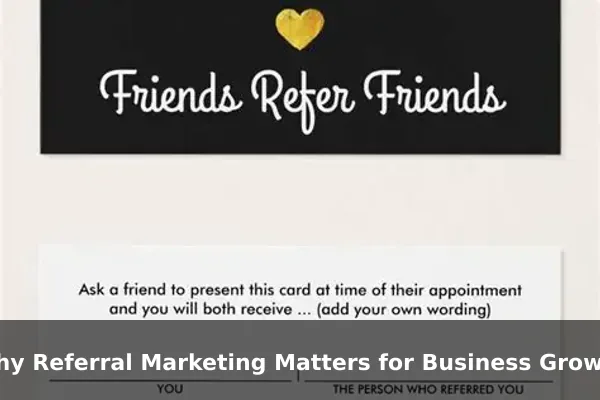
A fitness studio runs a member referral campaign. Members who refer someone who signs up for a three-month membership receive two weeks of free access. The referred friend gets their first month at half price. The program runs on a simple card system tracked by front desk staff, showing that referral marketing does not always require sophisticated software.
Mistakes That Limit Referral Program Results
Even well-intentioned programs fall short when avoidable errors are built in from the start.
- Weak incentives: A reward that does not feel meaningful to your specific audience generates minimal participation. Test different values or formats before committing to a structure.
- Confusing rules: If customers need to read multiple paragraphs to understand when they will receive their reward, most will not bother. Simple and clear beats comprehensive and complicated.
- Not promoting the program: A referral program that is buried in a footer generates almost no activity. Promote it through post-purchase emails, in-app banners, social posts, and customer communications at every logical touchpoint.
- Reward abuse: Without safeguards, some users will attempt to game the system with fake accounts or self-referrals. Requiring a completed purchase or a minimum account age before a referral counts eliminates most of this risk.
- No performance measurement: If you do not track referral volume, conversion rate, and reward redemption, you have no way to improve the program. Set up clear KPIs from launch and review them regularly.
How to Start a Referral Marketing Strategy
A focused approach is more effective than an over-engineered one. These steps give you a working starting point.
- Define your goal: Decide what success looks like — new sign-ups, first purchases, or paid conversions. A specific goal shapes every other decision in the program design.
- Choose a reward structure: Based on your margins and what your customers value most, select a one-sided or two-sided model and set reward amounts that are both sustainable and compelling.
- Set up tracking: For small operations, a code-based system may be enough. Growing brands benefit from dedicated platforms such as ReferralCandy, Friendbuy, or referral features built into existing CRM and ecommerce tools.
- Build the sharing experience: Create a referral page, generate unique links or codes, and write simple instructions. Test the sharing flow yourself before launching.
- Promote at the right moments: Start with an email to your existing customers. Then set up automated triggers — post-purchase confirmation pages, onboarding email sequences, or in-app prompts — so new customers also see the invitation at a moment of positive engagement.
- Track, test, and improve: Monitor referral rate, conversion rate from referred traffic, and reward redemption over time. Small adjustments to reward value or invitation timing can produce significant improvements.
Referral marketing compounds over time. The first weeks may show modest results, but as your participating customer base grows, each new customer becomes a potential referrer and the program generates increasing returns without proportional cost increases.
Conclusion
Referral marketing works because it is built on something advertising cannot manufacture: the trust between people who already know each other. A well-designed referral program converts that trust into a predictable, cost-efficient acquisition channel that grows alongside your customer base. Whether you run a product business, a software platform, or a local service, the core ingredients are the same — a product customers genuinely value, a reward worth sharing for, and a frictionless system that makes participation easy.
Start with a simple structure, get the customer experience right first, and give your happiest customers an easy way to share what they already feel. That combination is what drives referral marketing results over the long term.
